

WEEK ONE | BACK TO BASICS
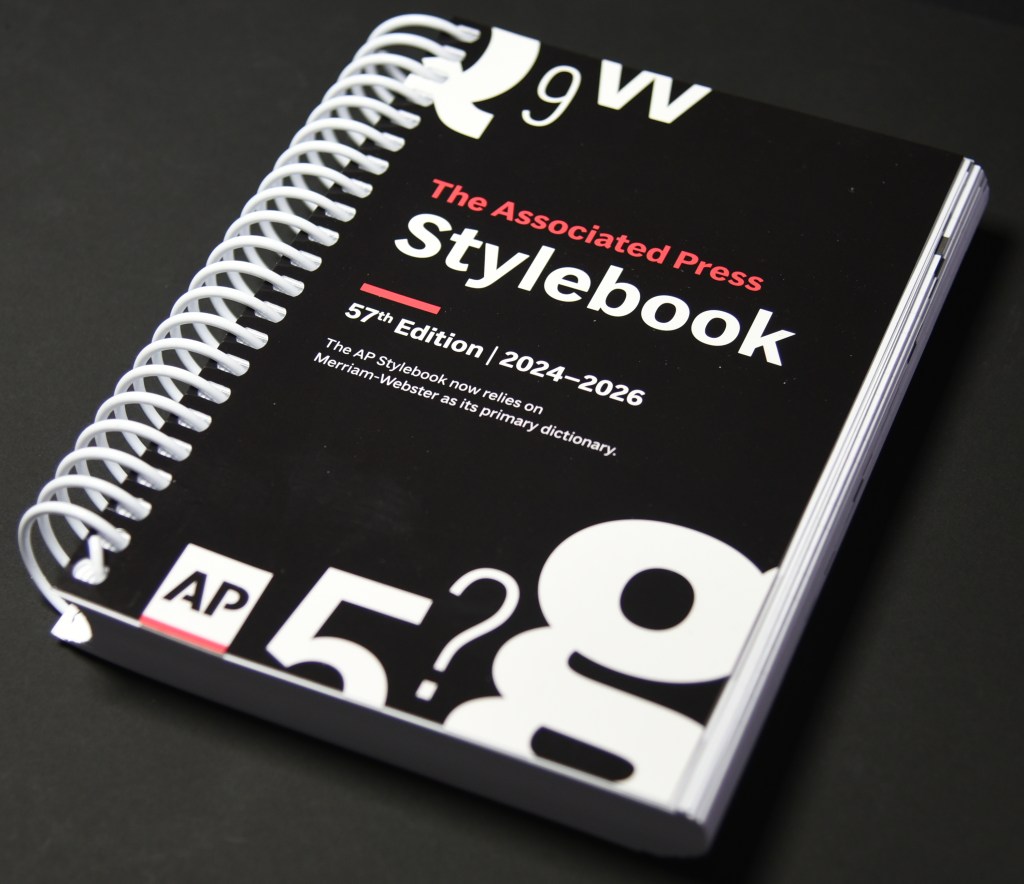
THE AP STYLEBOOK | This is the industry standard companion piece for any serious journalist. It is available as a spiral-bound manual or as an online resource.
The AP provides guidance on particulars of writing news, including state abbreviations, formal titles, using mathematics in reporting. It is an essential tool and also offers an overview on libel issues and a new section that addresses the complexities and ethical dilemmas associated with Artificial Intelligence (AI) Purchase | AP Stylebook
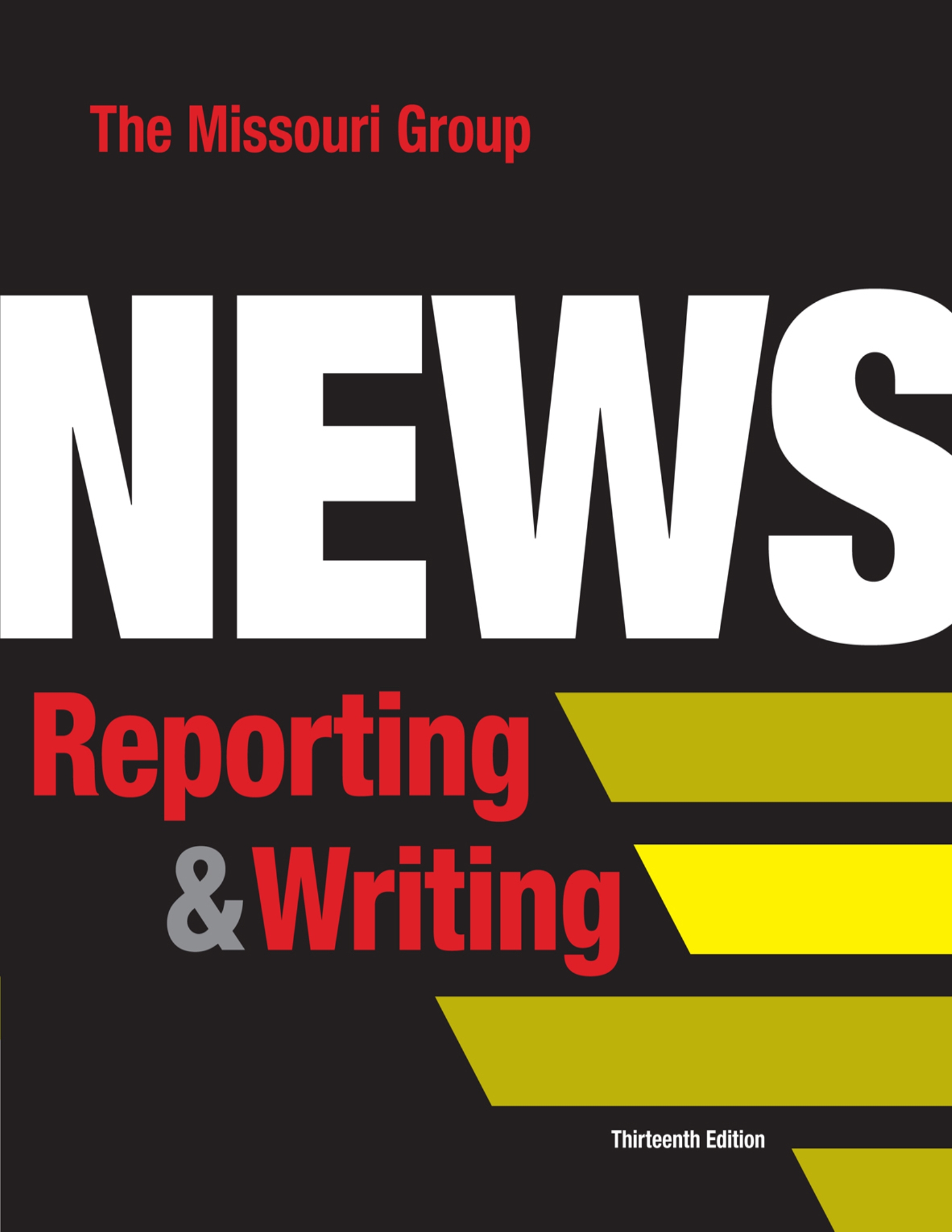
THE MISSOURI GROUP | A collection of journalism professors from the University of Missouri, publishers of News Reporting and Writing, which covers topics such as interviewing, research, and ethics for modern newsrooms.
Their book focuses on developing core journalism skills, including accuracy, fairness, and writing, while adapting to new media trends.This is another valuable resource that contains guidance about how to approach stories and industry standards.
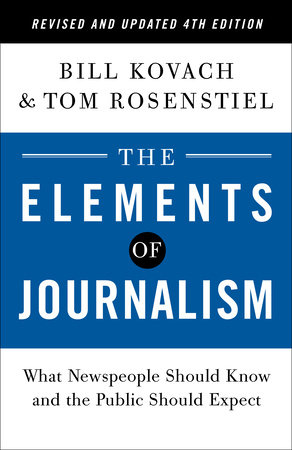
More than two decades ago, the Committee of Concerned Journalists gathered some of America’s most influential newspeople and asked them, “What is journalism for?” Through exhaustive research, surveys, interviews, and public forums, the committee identified the essential elements that define journalism and its role in our society.
Updated with new material covering the ways journalists can leverage technology to their advantage, especially given the shifting revenue architecture of news—and with the future of news, facts, and democracy never more in question—this fourth edition of The Elements of Journalism is the authoritative guide for journalists, students, and anyone hoping to stay informed in contentious times.
__________
FOR DISCUSSION:
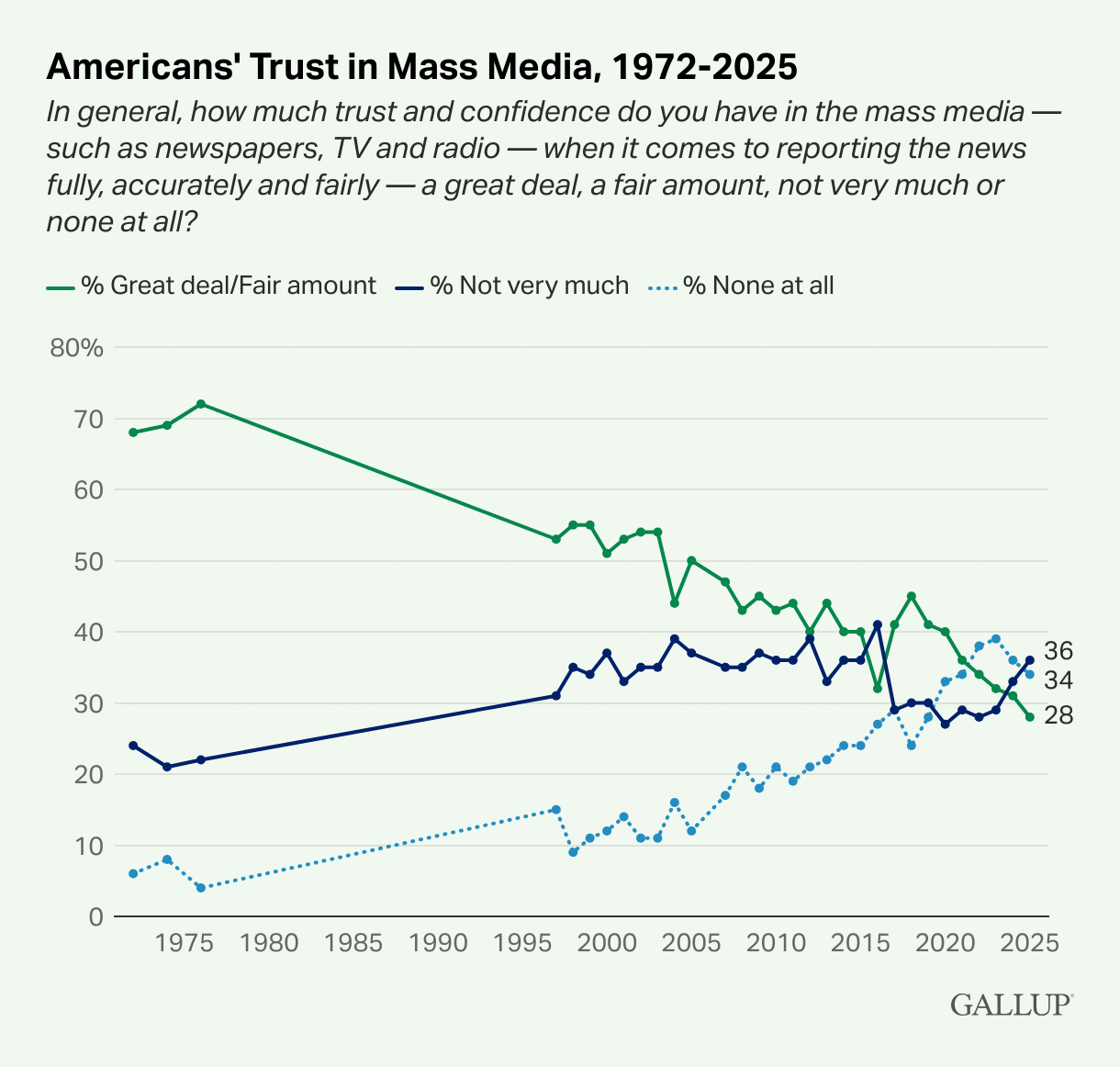
A CRISIS OF CONFIDENCE | Examining an erosion of public trust and the media’s role in restoring confidence in independent reporting.
ETHICS IN THE NEWSROOM | A review and discussion of the principles established by the Society of Professional Journalists. Blurring opinion, advertising walls. Criticism of public officials, three gates philosophy.
HYPE? CLICK BAIT? UNDERSTANDING HEADLINES | A class discussion regarding how headlines are developed, who writes them and why?
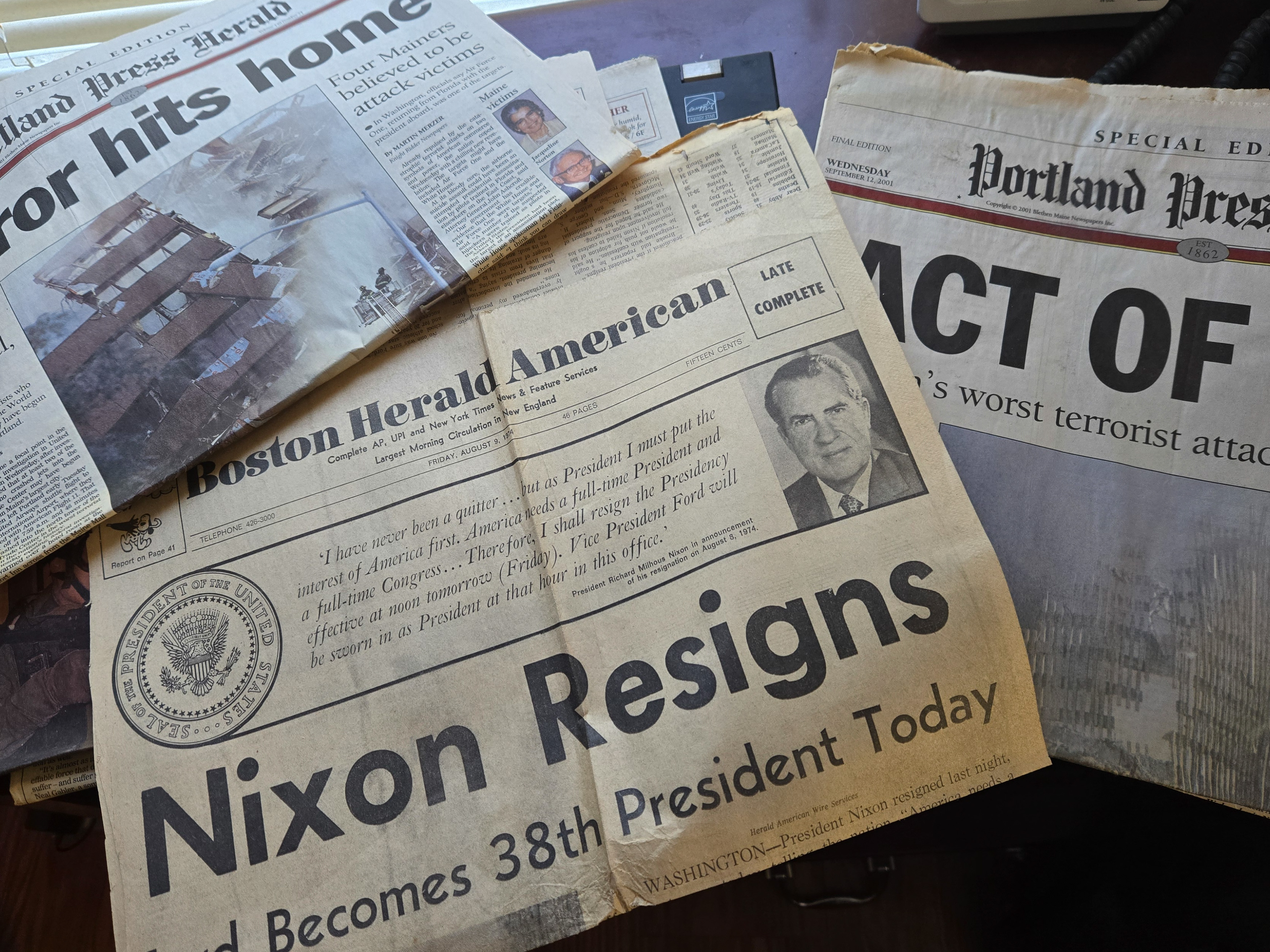
JOURNALISM, A BRIEF HISTORY | Class discussion about the evolution of journalism, from Edmund Burke in the 1600s and the New York Times’ Editorial Board’s position on the telegraph, to the Pentagon Papers, Watergate and the Trump White House Press Corps,
INDUSTRY JARGON | Nut Graf? Difference between a tabloid and broadsheet; — 30 — Is it lede or lead? What’s a stringer?
 NOTES TO CARL | LESSONS IN MEDIOCRITY