
__________
BIDDEFORD | MY PERSPECTIVE
Biddeford in the late 1960s was a rough and tumble community filled with pride that its residents wore on their sleeves. It was a working-class city on the less desirable side of the Saco River.
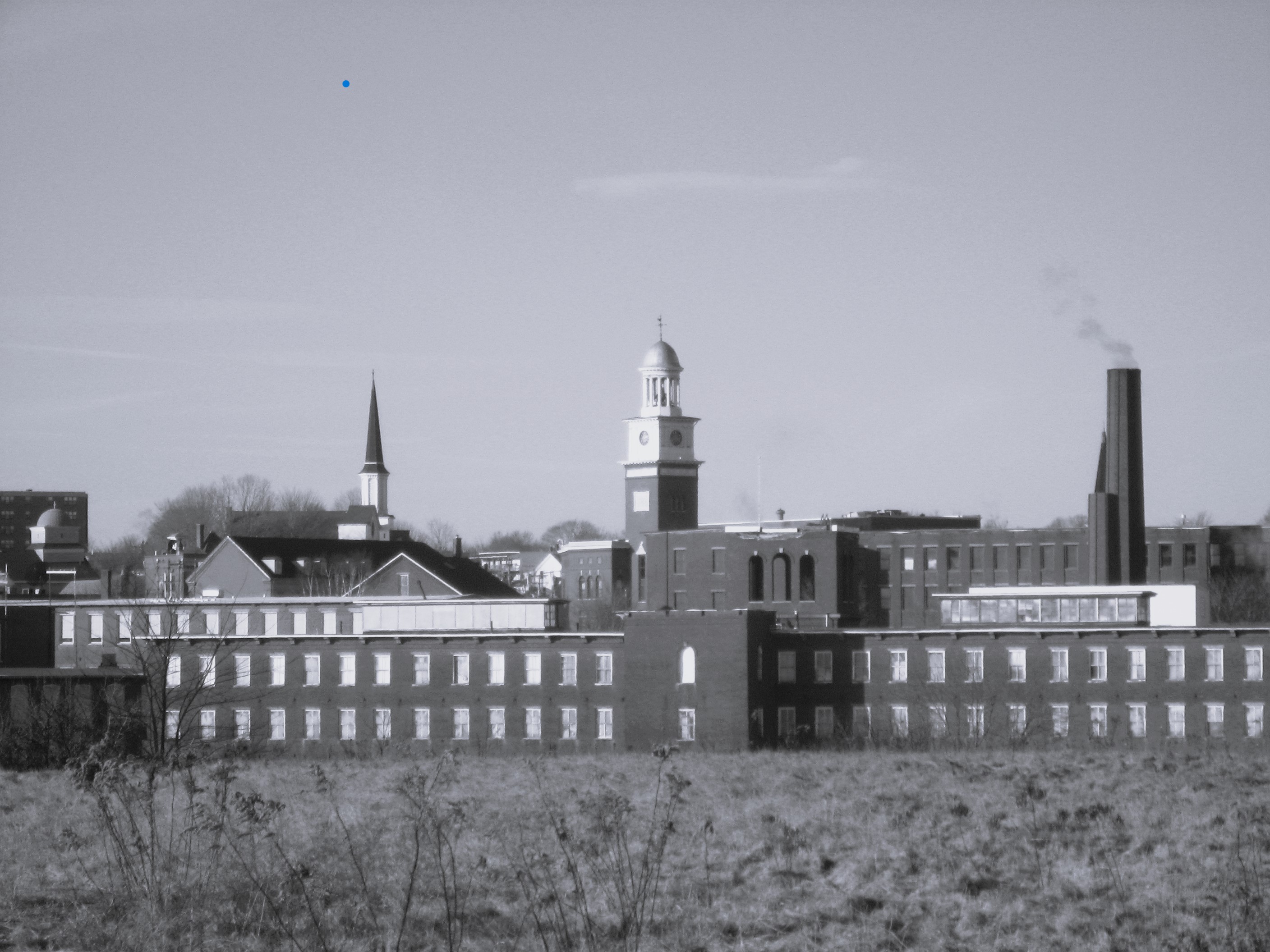
The textile mills, shoe shops and the tannery were running full bore, providing most of the jobs and driving the local economy. This was long before NAFTA, pesky environmental regulations and the popularity of strip malls and chain restaurants.
Biddeford was a place where the second-generation Irish immigrants from St. Mary’s Parish perpetually waged a not-so-subtle war with the third-generation Franco residents of St. Joseph’s Parish who had come to the city from Quebec in hopes of steady work and a golden ticket to prosperity.
The authentic Francos, however, (St. Andre Parish) lived within short walking distance of the downtown mills. Those French-speaking laborers lived in a smattering of triple-deckers in congested neighborhoods with narrow streets. They were the guys and gals always ready for a fight and always willing to work up against almost insurmountable odds.



The Greeks, the Jews and the folks from Syria and Albania all came here too, looking for jobs in that sprawling mill complex that produced textile products that were shipped all over the globe.
For the most part, those other immigrants avoided the battles between the Irish, the French and the really, really French, keeping their noses to the grindstone.
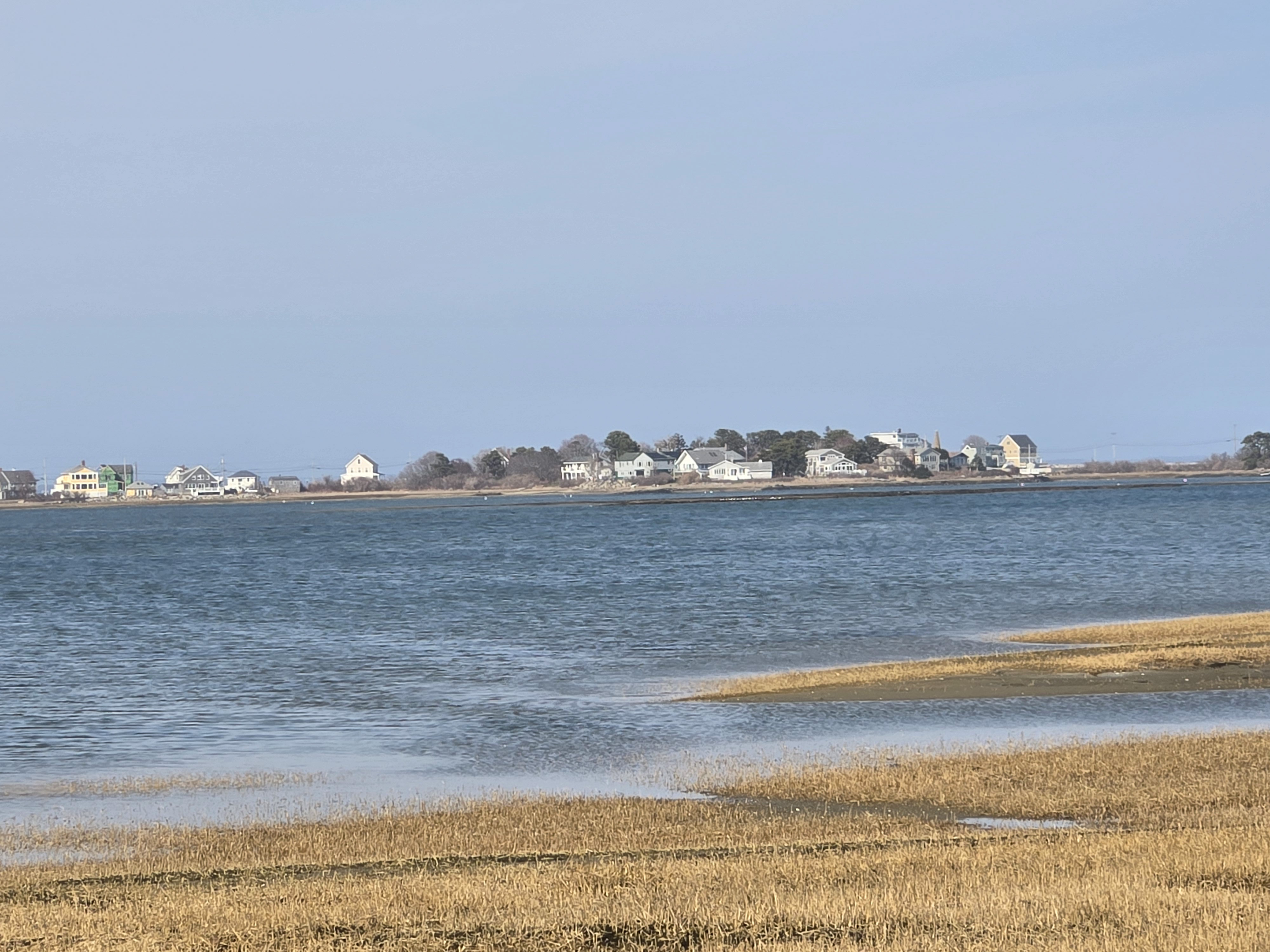
Although the city had pristine coastal beaches and ocean-front neighborhoods, people from surrounding communities routinely made jokes about the poor, working class people with funny accents.
That incessant ridicule — from people outside the city — built resentment among virtually all Biddeford residents, but it also built a foundation of community pride. Biddeford people stayed focused on hard work, and they cherished their dominating football teams from both Biddeford High School and the former St. Louis High School.
___________
THE CITY OF BELLS | A proud city rising where the water falls
According to the U.S. Census Bureau, Biddeford is the eighth largest city in Maine and the largest city in York County.
More notably, Biddeford is Maine’s youngest community with a median age of 35 years old.
If you want to find stories, opinion pieces and news items, check the BIDDEFORD GAZETTE’S | COMMUNITY PAGE.

 LESSONS IN MEDIOCRITY | OUTLAW JOURNALIST