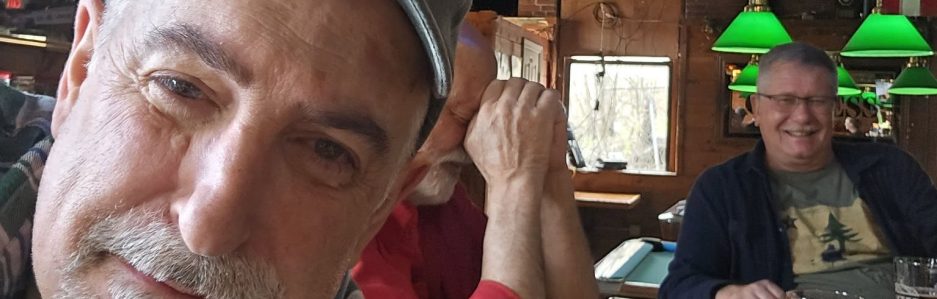
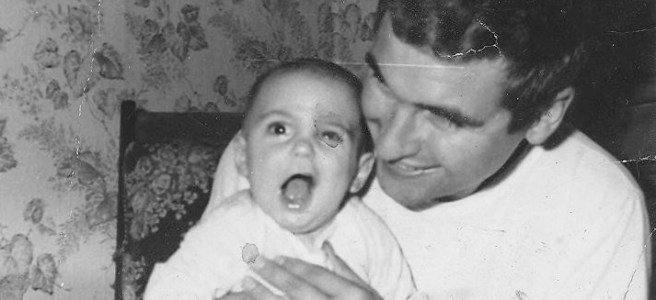
Enlisting in the Air Force, selling industrial tools, working on a reservation and contemplating the priesthood are all part of the family legacy archive that I am leaving for my future grandson, Carl
Dear Carl,
This is going to be a long post, but on the chance that I die before you’re old enough to read, I wanted you have this piece of family legacy.
I wanted to explain the events and decisions that shaped me; and give you the opportunity to learn a bit of your family’s history.
I will go into ancestry and lineage details in another post, but for now I will attempt to explain my own journey
A photo slideshow for your amusement
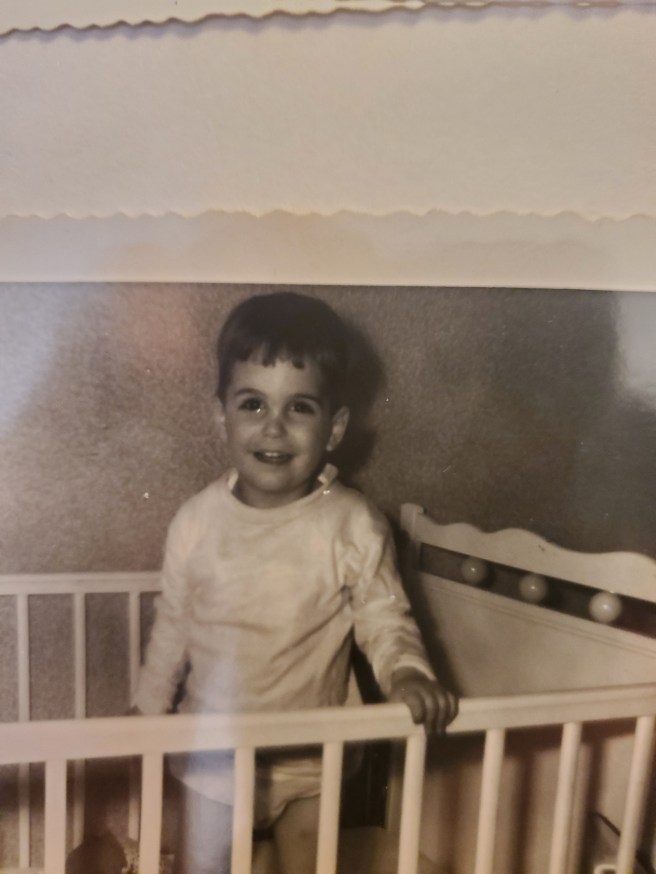
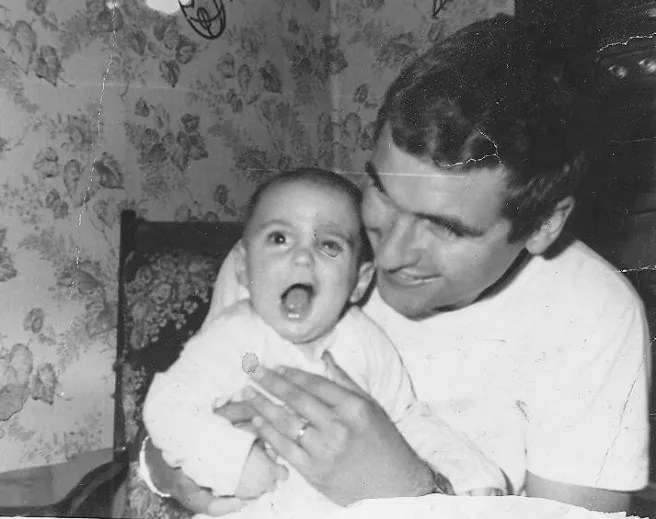
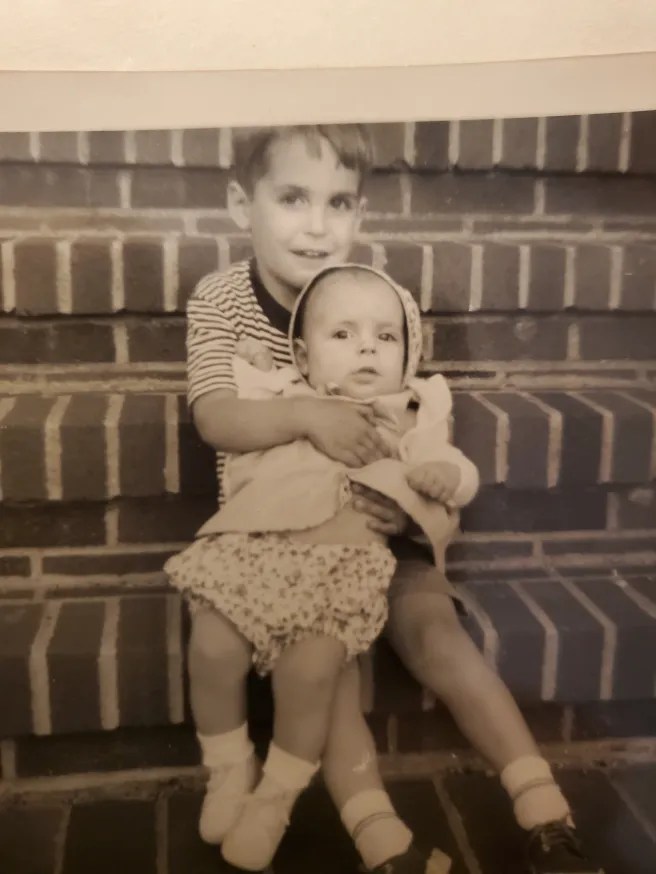
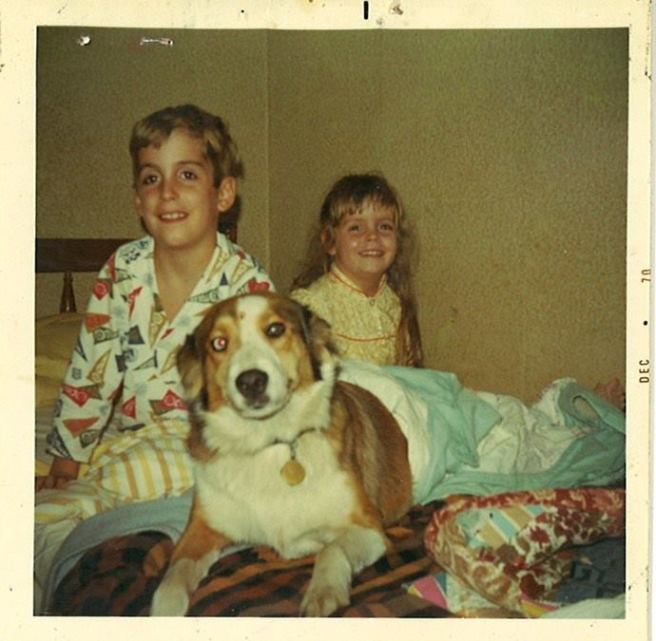
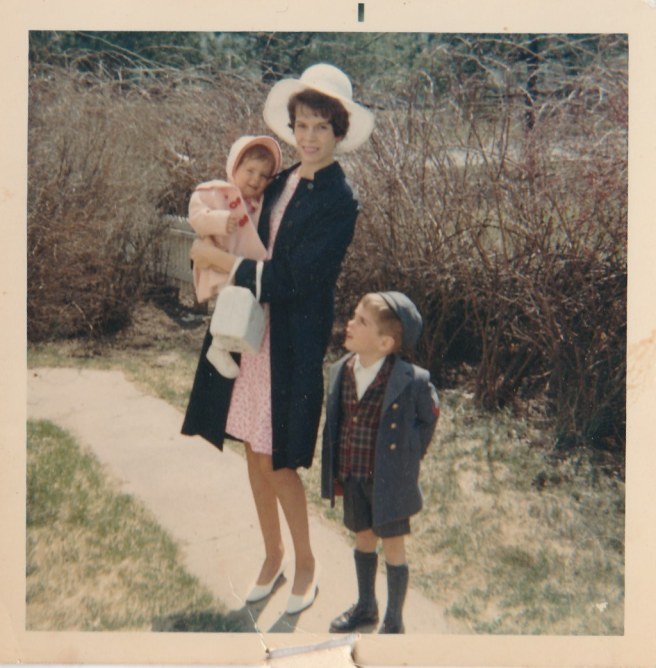
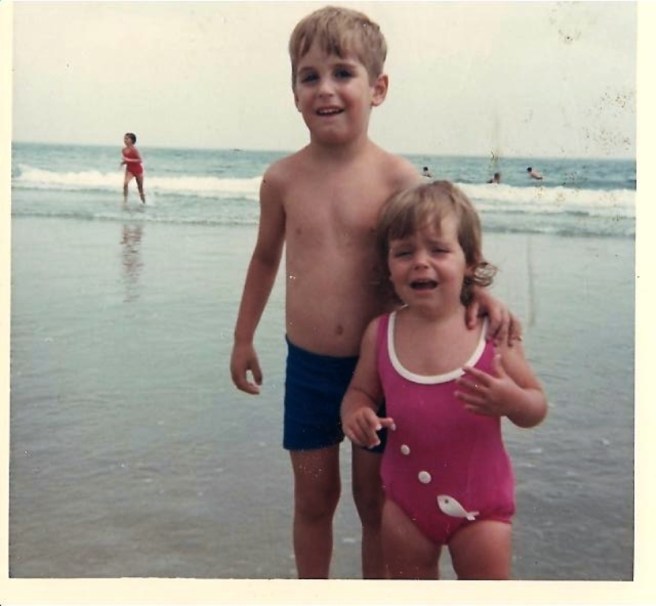
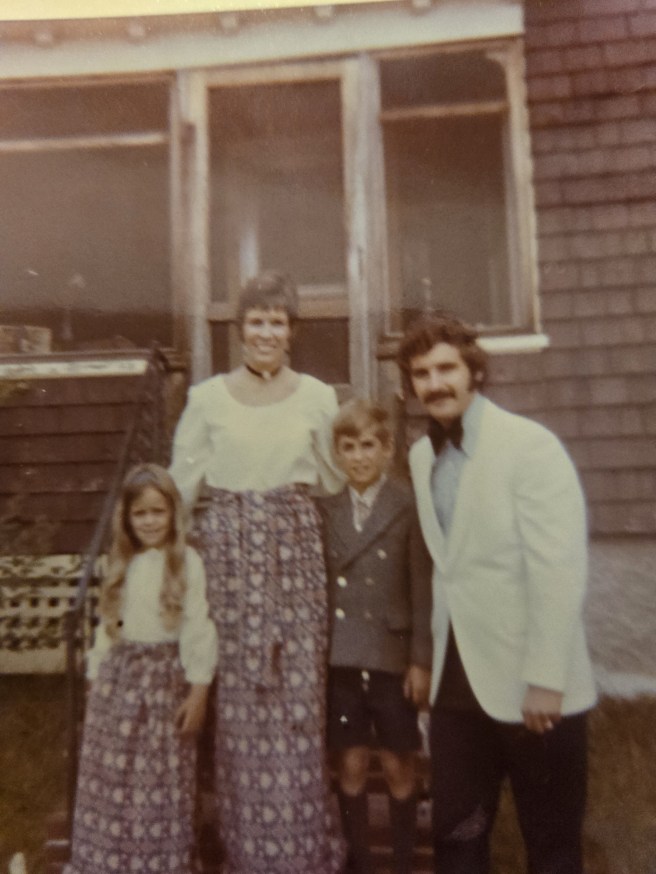
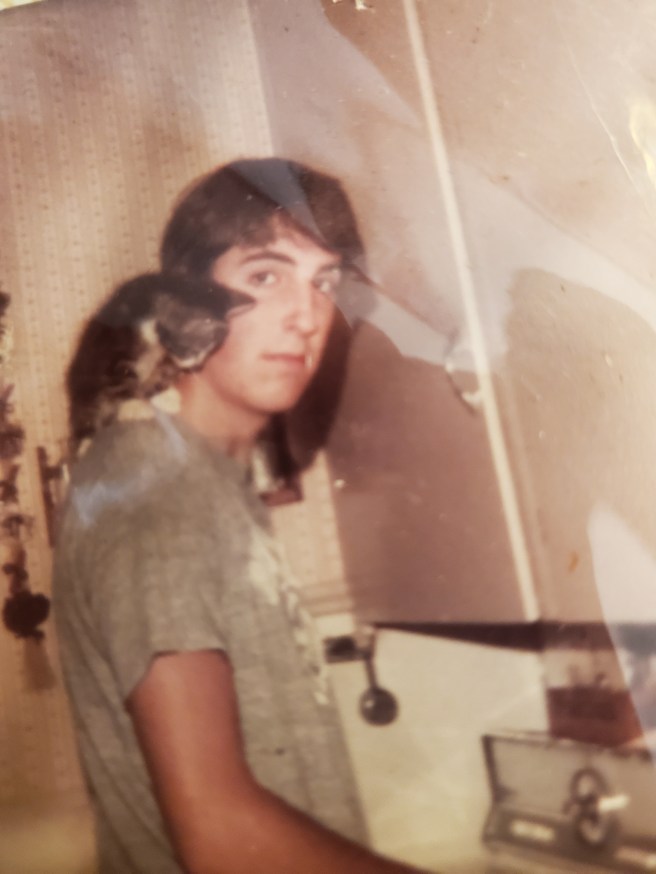
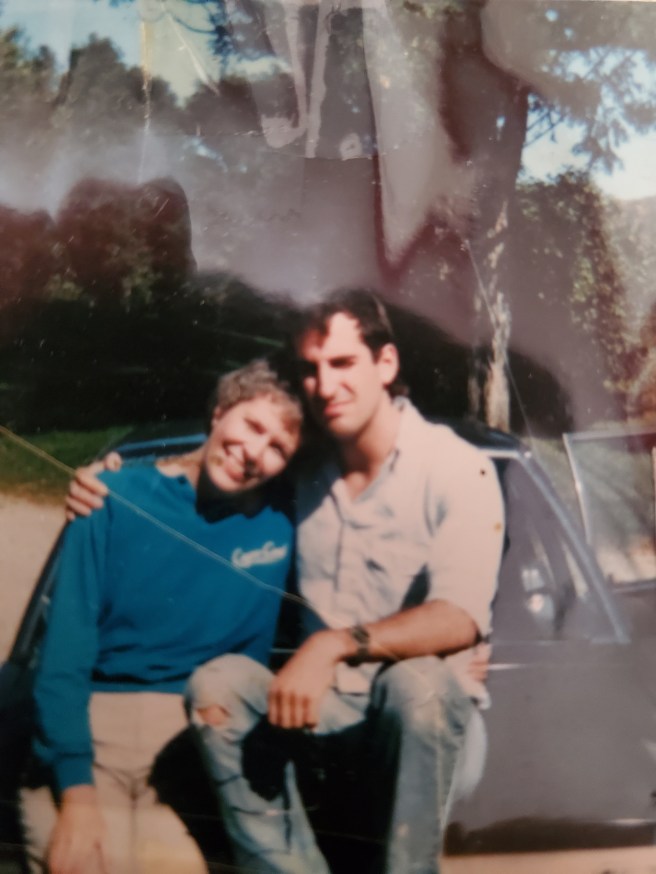
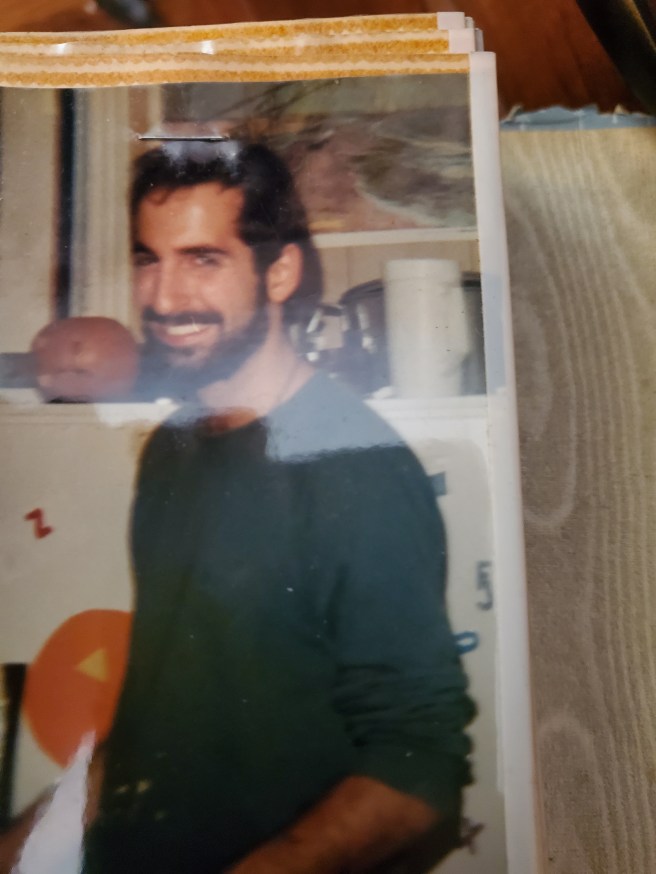
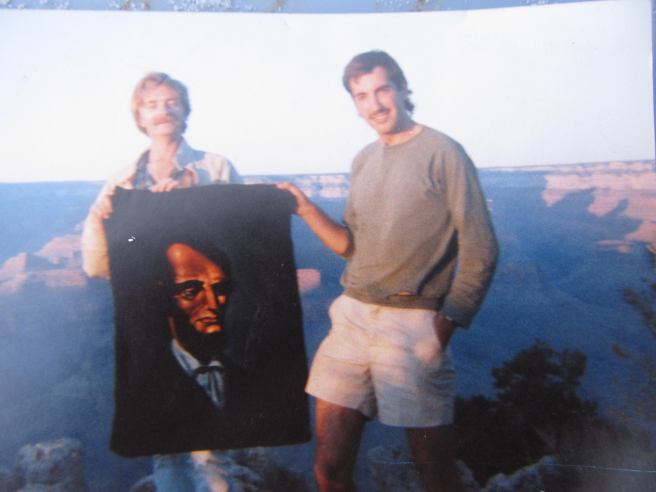
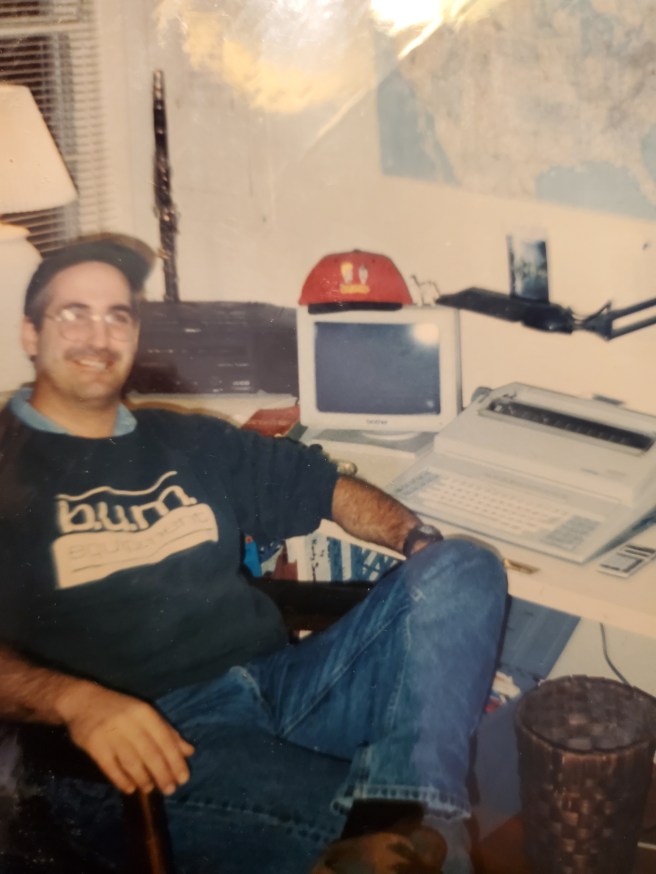
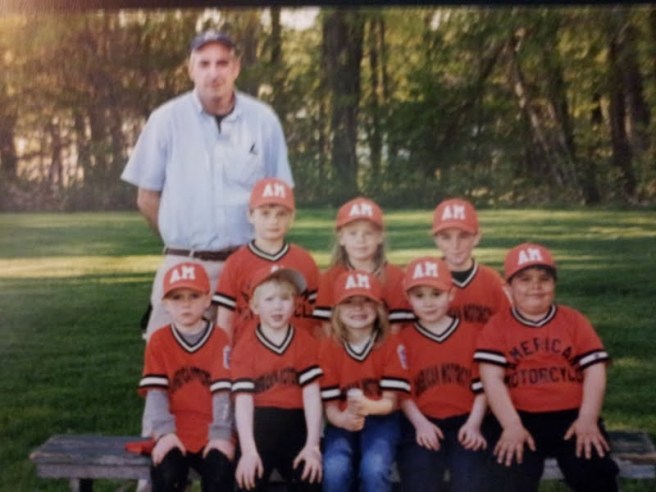
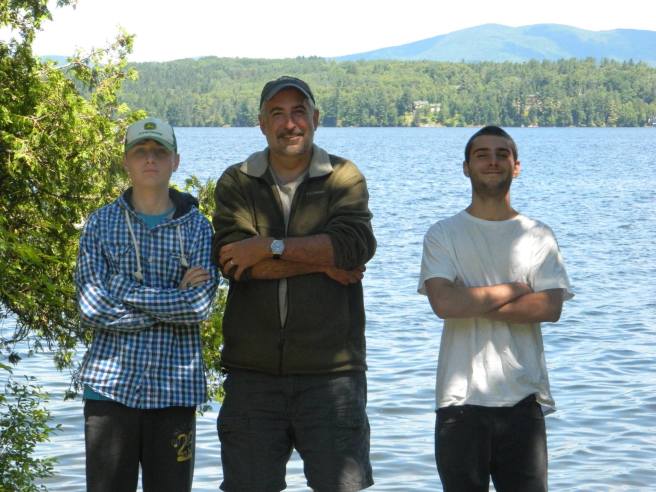
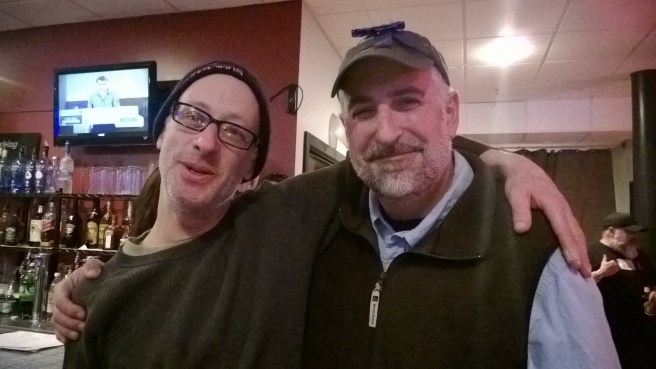
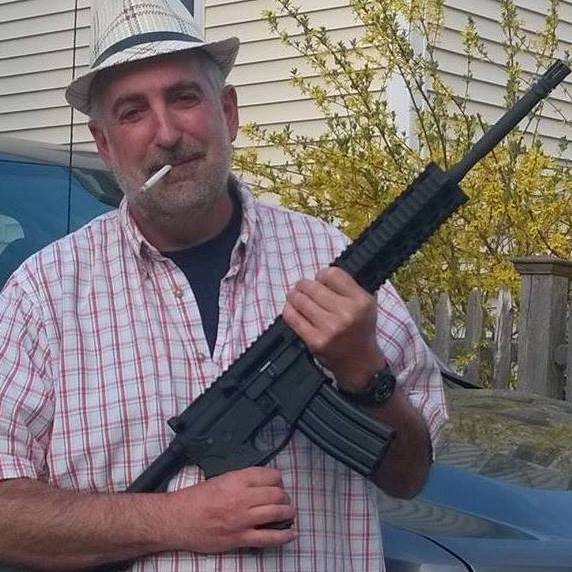
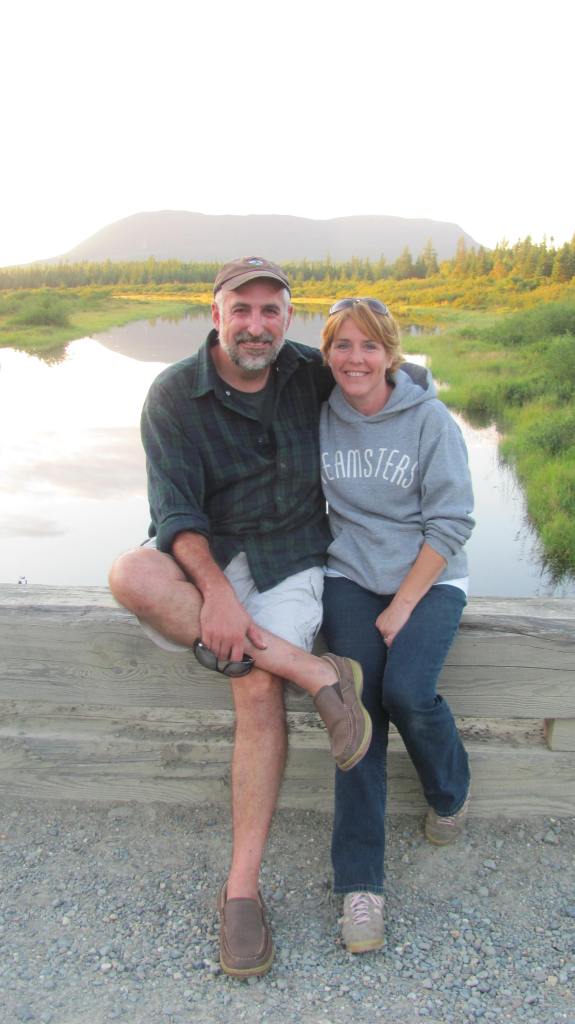
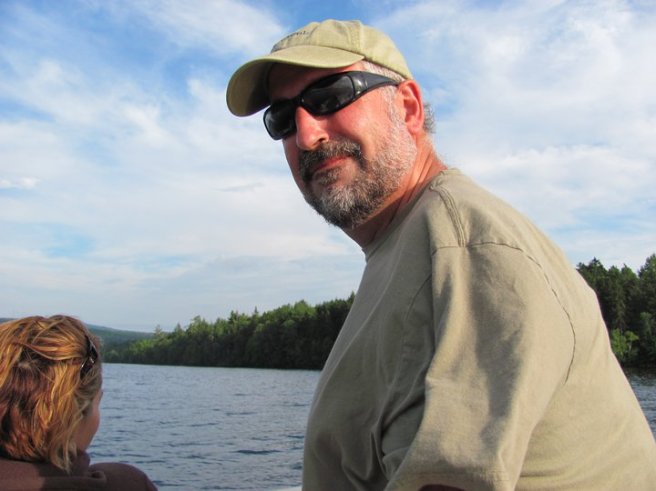
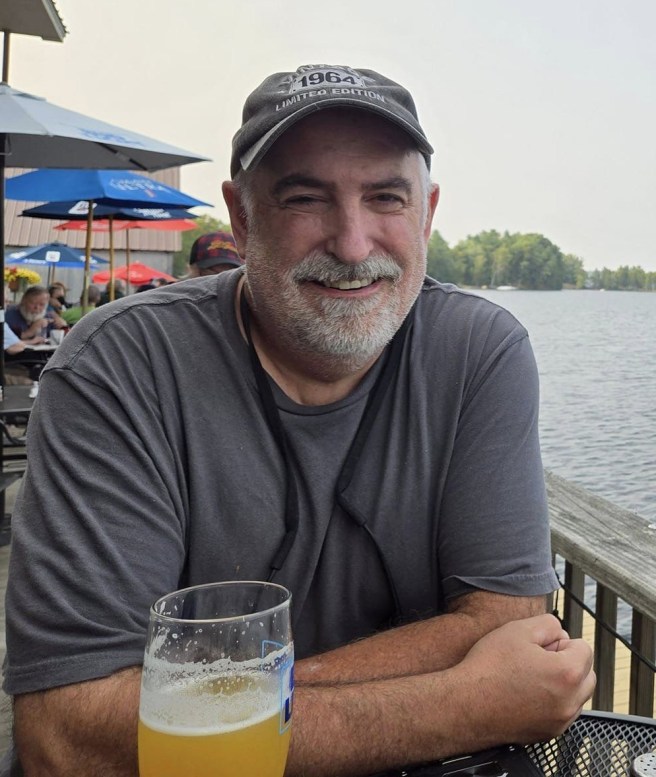
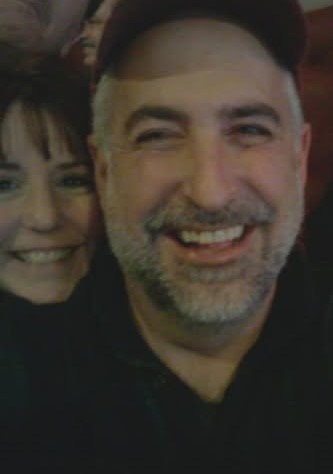

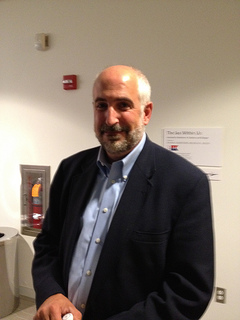
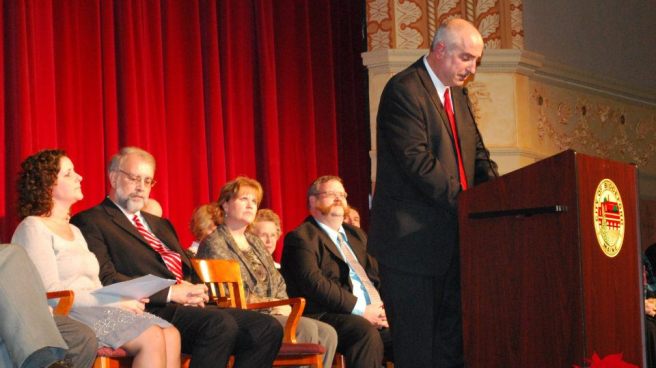
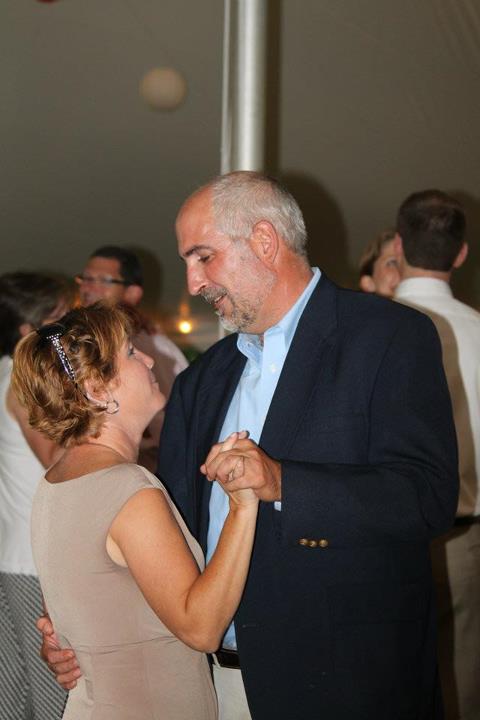
My family has been linked to the city of Biddeford for four generations. This is where I spent the earliest part of my childhood and it likely where I will die.
Growing up in Biddeford, our family lived in the long shadows of my grandfather, a beloved and rather eccentric English teacher at Biddeford High School.
Gilman Ezra Seaver served in the United States Navy during WW II, and he played the saxophone. He was a poet, a wannabe politician and an opinionated man who did not suffer fools lightly.
He was also a critical thinker who was widely respected as an academic, an unconventional man who often marched to the beat of his own drum.
If St. Mary’s Church is still standing in Biddeford, you can find your great-great grandfather’s name – and those of other WWII veterans –forged into a bronze plaque near the building’s entrance.
. . .
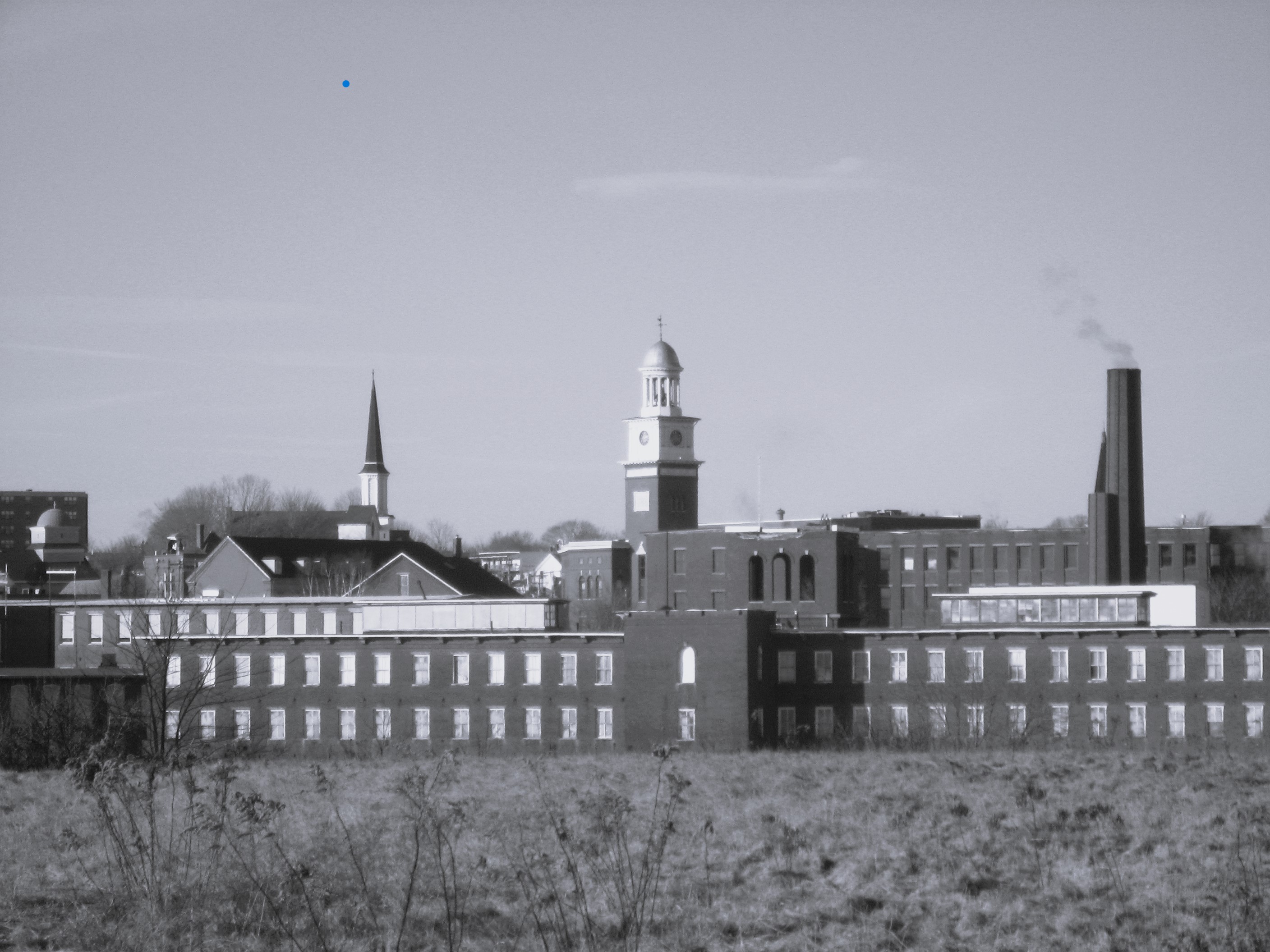
A CITY OF BELLS, DREAMS & LIES
. . .
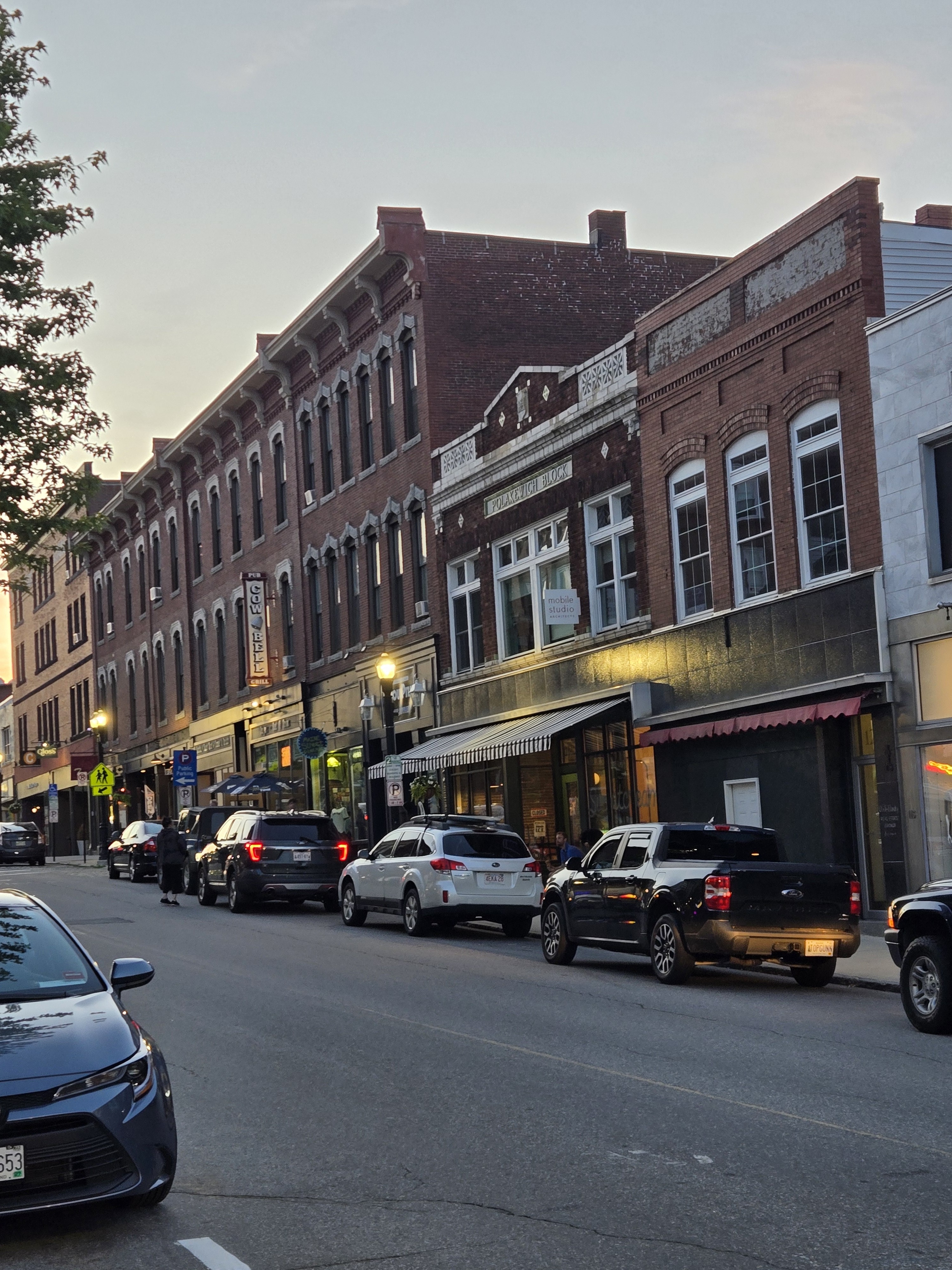
The city of Biddeford is where I met my wife. We were married in St, Mary’s Church, where I received First Communion so many years earlier. We bought a home on Lamothe Avenue. Your father attended Biddeford schools. Your grandmother – my wife – was twice elected to serve on the Biddeford City Council. She also served four years on the Biddeford School Committee.
As the editor of a local newspaper, I became a lightning rod in the community. More about that later.
During my early childhood, my family lived on the top floor of a triple decker on State Street, directly across from a now shuttered shoe shop that has since been turned into cut-rate apartments.
I shit my pants as a second grader at the former John F. Kennedy Memorial School near the corner of Hill and West streets. I was regularly beaten up by other kids on Quimby Street whenever I was willing to risk the walk to the former Sevigny’s Market on Bradbury Street
When I was seven, my young parents decided to seek asylum on the other side of the river. The four of us, including my younger sister, arrived with high hopes as we ventured forth to the land of middle-class longing, in our own house just across the street from the old armory on Franklin Street in Saco.
We had left the city of Biddeford in the rearview.
We sold our souls and became communicants at Most Holy Trinity. My sister took ballet lessons. I played clarinet in the school band. We made it! We had arrived on the lunatic edge of suburbia, desperately grasping for the middle-class dream.
I fully betrayed my Biddeford heritage by graduating from Saco’s Thornton Academy in 1982. There was then an intense rivalry between Biddeford and Saco’s Thornton Academy,
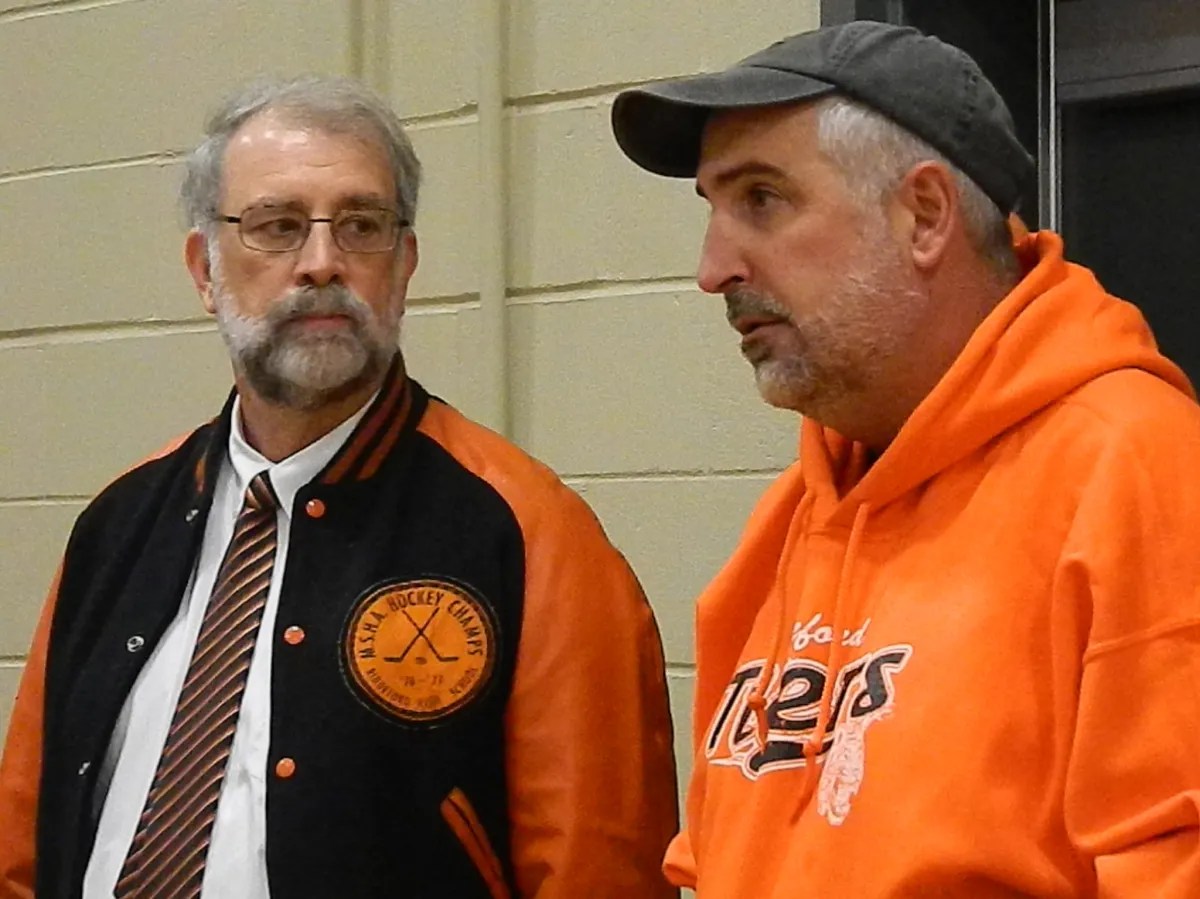
I never thought that Thornton — a private school that served all Saco residents — was all that it was cracked up to be. In my gut, I knew that I was a Biddeford boy. My blood ran black and orange.
Thornton Academy seemed always much more concerned with its image and reputation than anything else. If you were a stand-out student or an accomplished athlete, Thornton was a great school.
Otherwise, it politely warehoused the other students and collected the tuition payments from the city of Saco.
. . .
MY FIRST NEWSROOM
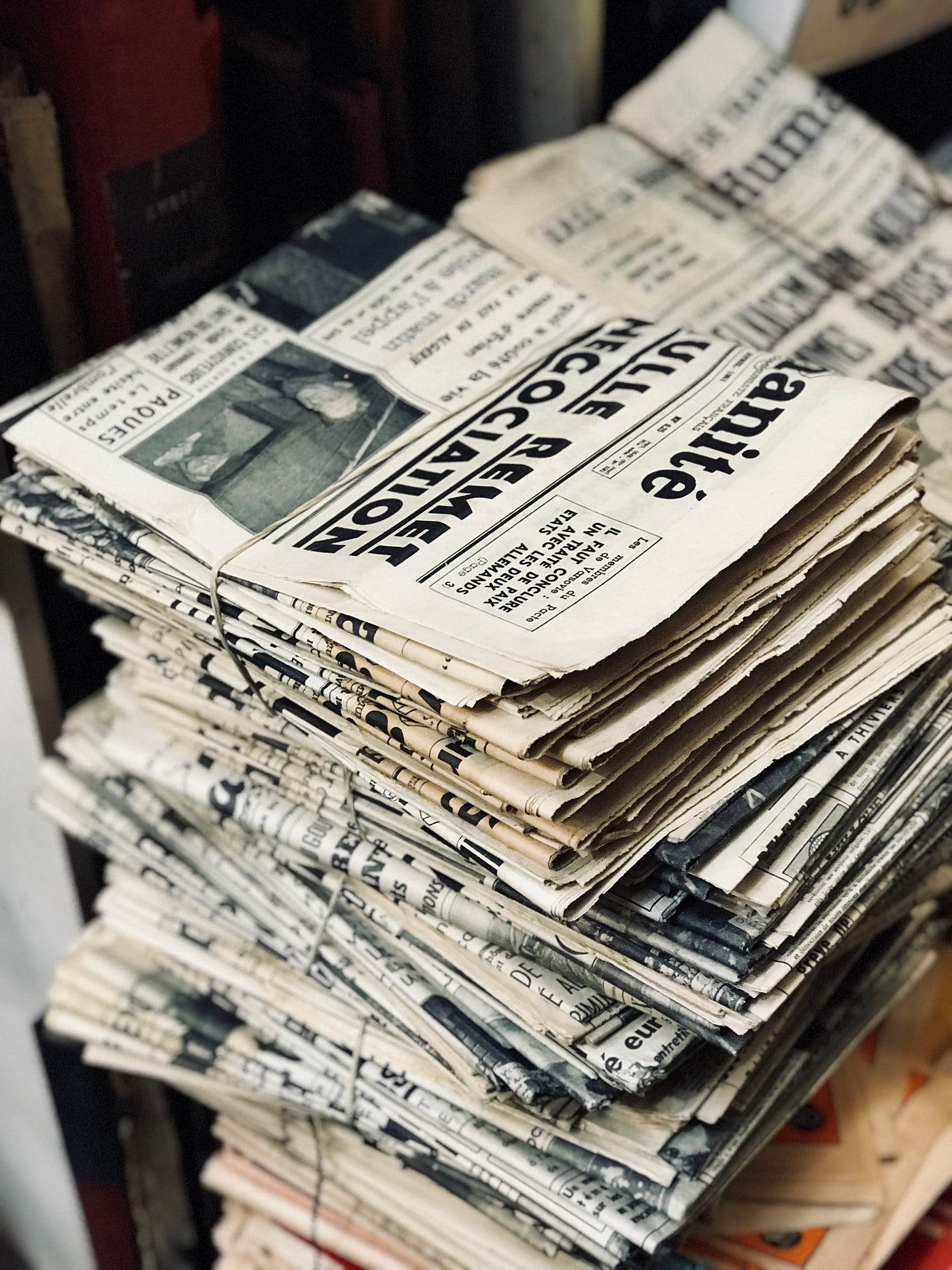
The first newsroom I ever knew was inside Biddeford’s daily newspaper, the Journal Tribune. That is where City Editor Bob Melville tormented me and made me cry during an unpaid student internship.
“Don’t they teach English at Thornton Academy?” Melville once barked at me, his eyeglasses perched on the end of his nose while reading my first-ever piece intended for mass publication.
The first thing I ever published was an obituary for some poor old bastard on Granite Street.
In this example, I use the word publish loosely. I don’t even remember the man’s name, but I do remember my mother cutting that obit out of the newspaper and taping it on our refrigerator door.
Look out, Connie Chung, Bob Woodward and Mike Wallace. Randy Seaver’s journalism career had been launched.
But like they always do — for so many people — most of my dreams had to be abandoned in order to survive.
How else do you end up doing an industrial drain-cleaning demo at the Memphis Zoo on a particularly humid day in August?
. . .
AIR FORCE | Preparing the man
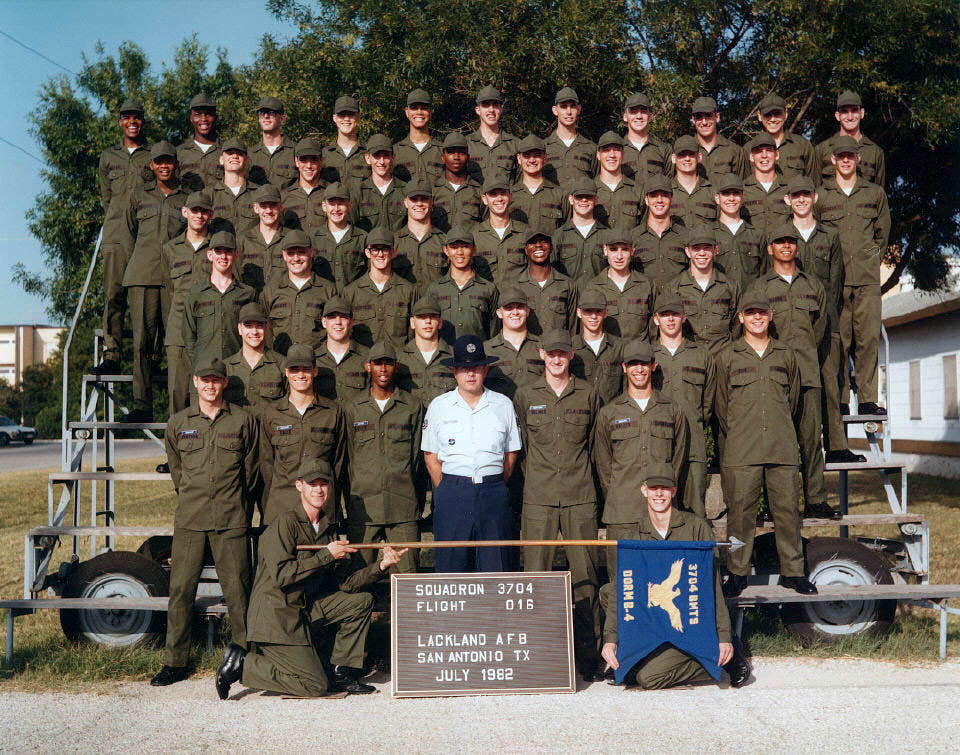
I graduated from Thornton Academy in 1982, but I wasn’t ready for college, so I joined the Air Force. It was a strategy that seemed to work for Hunter S. Thompson — but not for me.
I arrived at Lackland Air Force Base near midnight on July 2, 1982. It was my first time outside of New England. Even though it was midnight, the intense and arid heat almost knocked me over.
Things did not go the way I had planned.
READ MORE | What I learned during basic training
Just days before graduating from basic training, I found myself locked up on a psychiatric unit as an involuntary patient, where I began racking up an impressive list of frequent flyer miles. (It was just the first of many hospitalizations.
My senior drill instructor was such as a decent man. “There’s nothing to be ashamed of,” he said. “You did your best.”
The government gave me an honorable discharge and a plane ticket home. And that was that . . . but the experience changed me, and I have no regrets.
If I could do it all over again, I would not hesitate. The lessons of boot camp proved to be invaluable and put me in a small and distinguished group of people who all stepped forward and swore an oath to protect the Constitution.
. . .
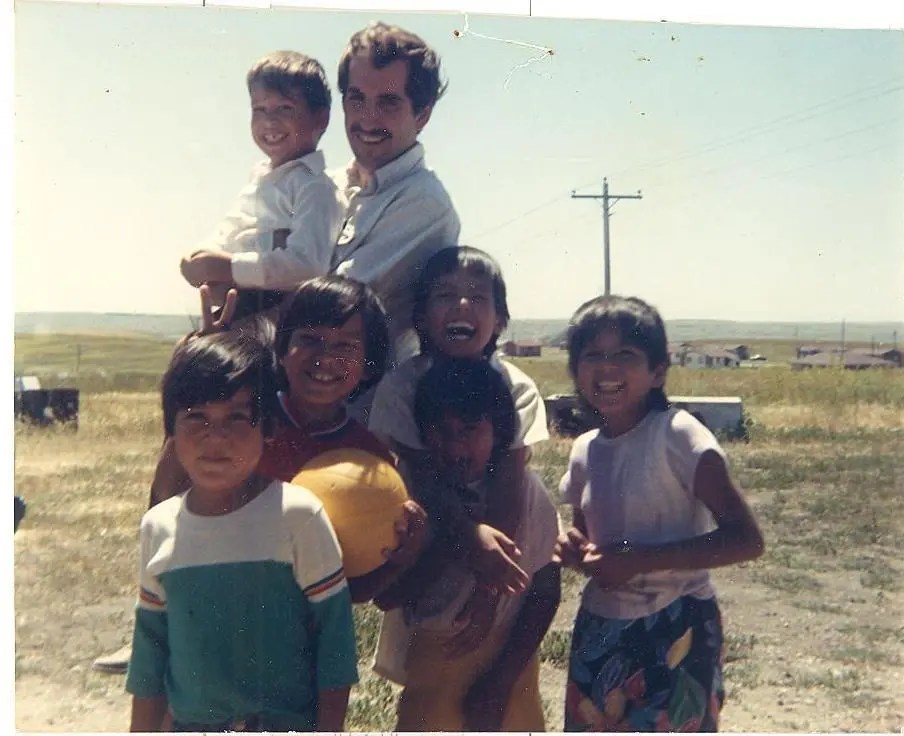
PRIESTS AND INDIANS
. . .
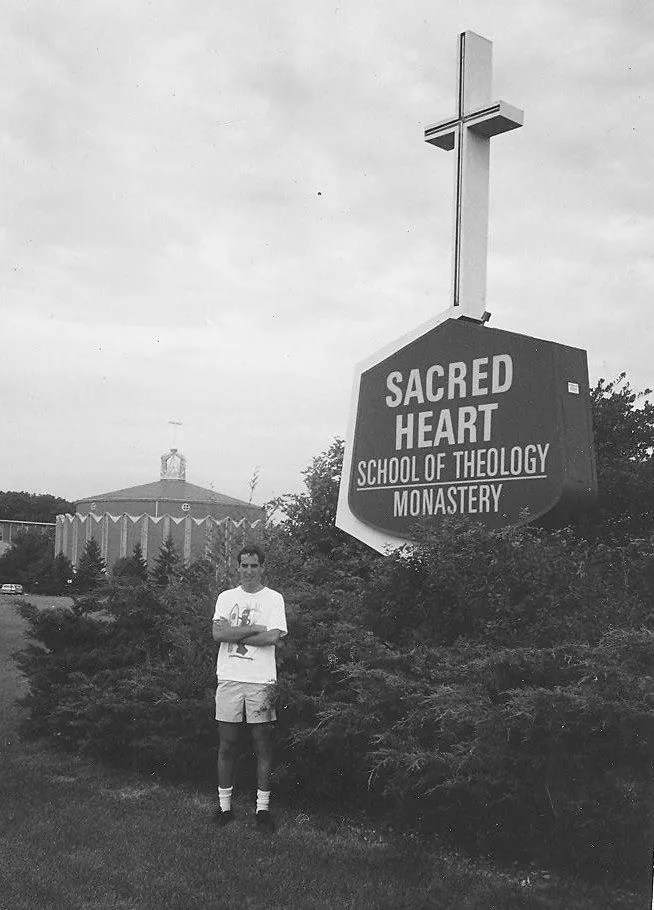
I floundered for a few years, but then — in 1987 — I decided I was going to be a Roman Catholic Priest. Of course I did. Every Catholic boy thinks that maybe someday he will be a priest.
The Sacred Heart Fathers and Brothers (SCJs) were kind enough to let me participate in their ‘pre-novitiate’ program, a well-designed period of discernment to determine if you were really, really ready to give up sex for the rest of your life.
It didn’t take me terribly long to answer that question,
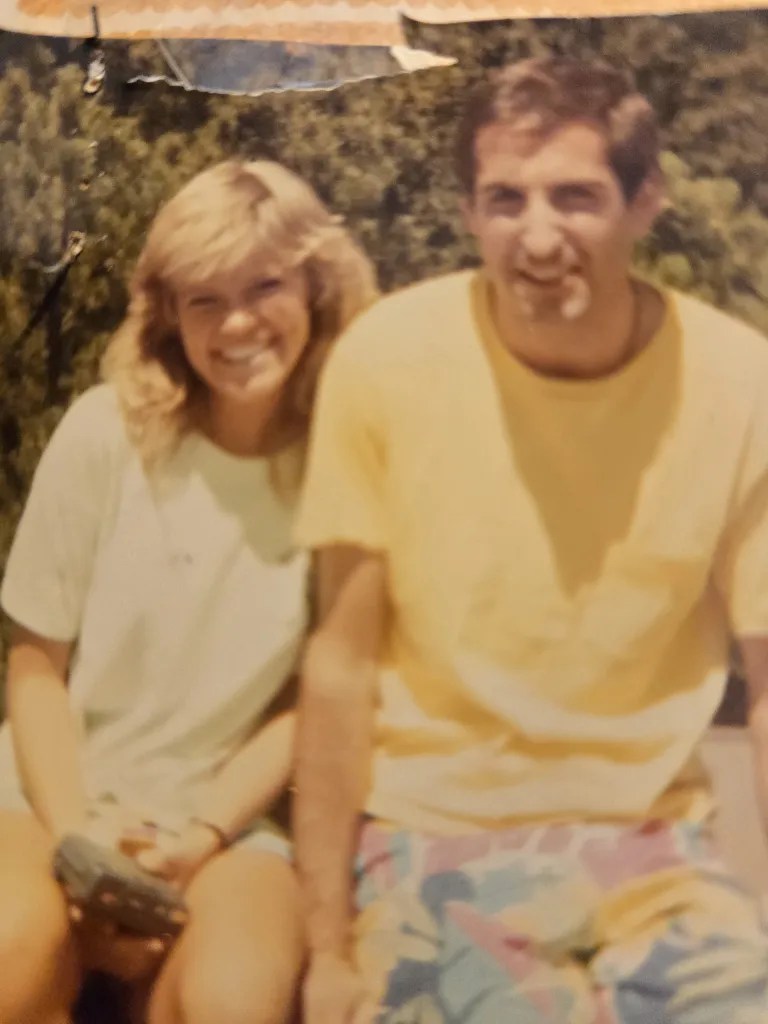
I met a sweet blonde girl while we were both teaching summer school classes on the Cheyenne River Reservation in Eagle Butte, South Dakota.
I was living at the All Saints’ Parish Rectory — smack dab in the middle of the reservation. Renee was staying across the street, living with the nuns while she was earning community service hours for her master’s degree.
There’s no need to go into all the sordid details, but ultimately Father Yvonne forgave me, absolved me of my sins and drove me to yet another bus station.
So much for becoming a priest, Another failure.
. . .
ACTIONS MEAN MORE THAN WORDS
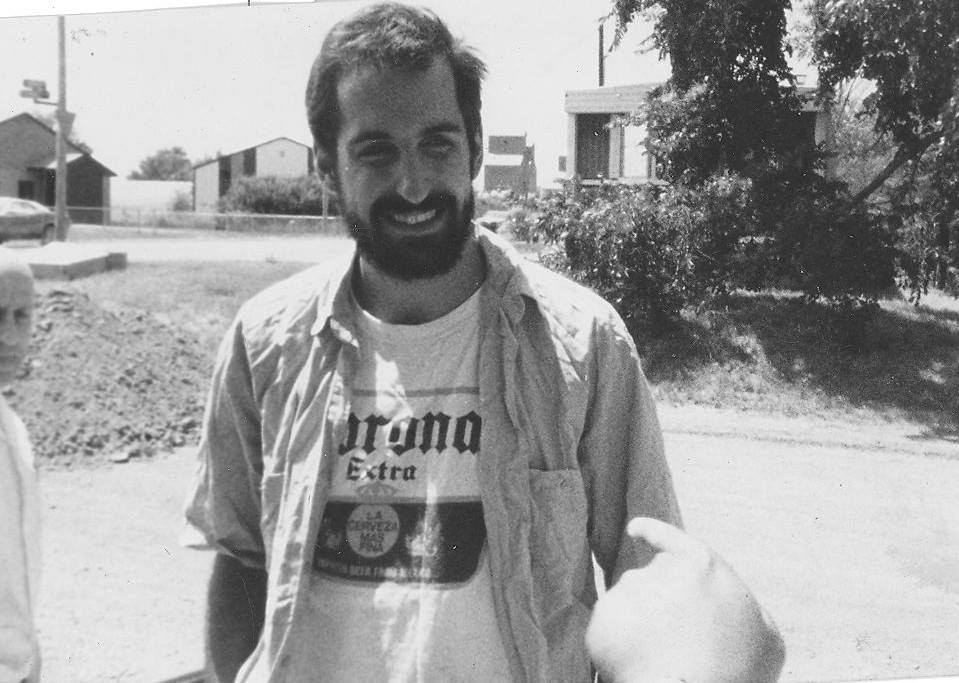
I did learn one very important thing while working on the reservation: Political Correctness is for vapid, feckless morons desperately looking for redemption.
In fact, I almost got my ass beaten by an Indian man who was enjoying a cold beer on a hot summer night in a small tavern only a few hundred yards away from the rectory.
I tried to start a friendly conversation. “It must be hard being a native American on the reservation,” I said.
He stiffened and inhaled deeply before setting his beer on the bar. He turned to me with narrowed eyes, doing his best to contain his deep rage and lingering resentment of white people like me.
“Don’t ever use those words to describe me or my people,” he barked. “I’m a fucking Indian. You’re not allowed to call me anything else. Don’t try to settle your guilt and make yourself feel better about all the horrific shit your people have done to my people by just using a fancy, pretentious name. That doesn’t mean shit. You don’t get off that easy.”
I wanted to bolt, but I had to pay my bar tab. Even on the reservation PBRs weren’t free, especially for us white folk.
After only a few seconds, that kind and patient man turned to me and said, “Please forgive me. I know you’re just here trying to do good things.”
As a writer, it may seem strange that I would say this, but words don’t mean shit, Carl. Action is where the rubber meets the road.
. . .
PIPE THREADERS & MARRIAGE
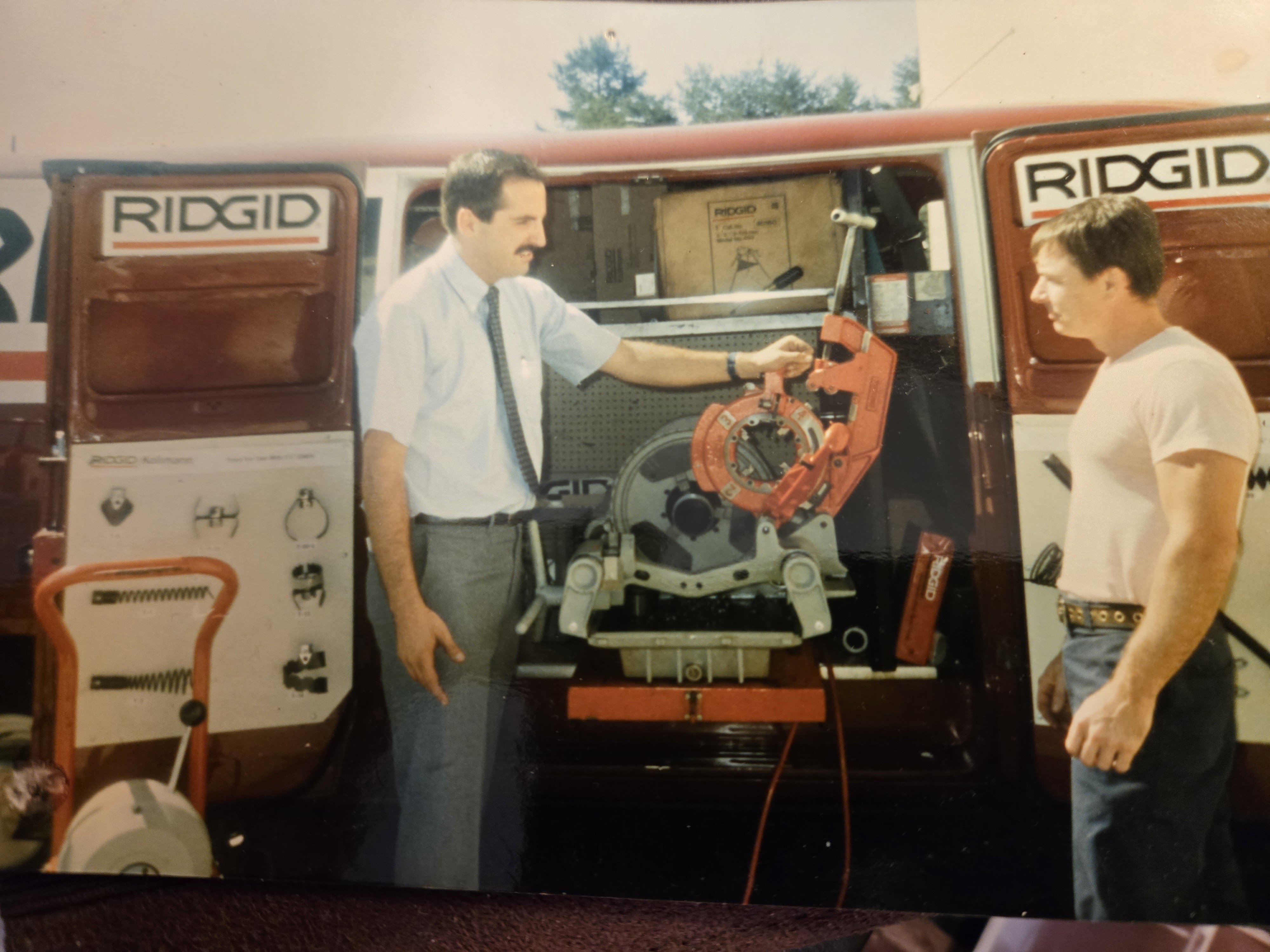
Although my work in journalism has been featured in publications throughout New England, I made my real bones by selling industrial pipe tools throughout the southeastern United States from 1989 to 1994.
I can give you 12 selling points of a RIDGID pipe wrench. I shit you not.
I can also never forget or scrub from my mind the fact that a 1/8-diameter of piece of pipe will have 27 threads per inch if it’s an NPT thread. I can also spot the difference between Schedule 40 and Schedule 80 PVC pipe from 800 yards away. And I understand the fundamental difference between grade 304 and grade 316 stainless steel fittings.
I was married to a gorgeous CPA, and we had a nice little house just across the street from Centennial Park in Nashville. She had a Doberman Pinscher named Magnum. She had trained him to roll his eyes upward toward heaven whenever she asked, “Magnum, where’s Jesus?”
I was 25. I was driving a company car, living on an expense account. I had it all figured out — right up until I found myself a couple of years later at a Greyhound bus station with a one-way ticket to Portland, Maine and $23 in my pocket.
Divorced and humiliated, I returned to Maine and asked an old girlfriend if I could crash on her couch.
. . .
BACK TO THE FUTURE
. . .
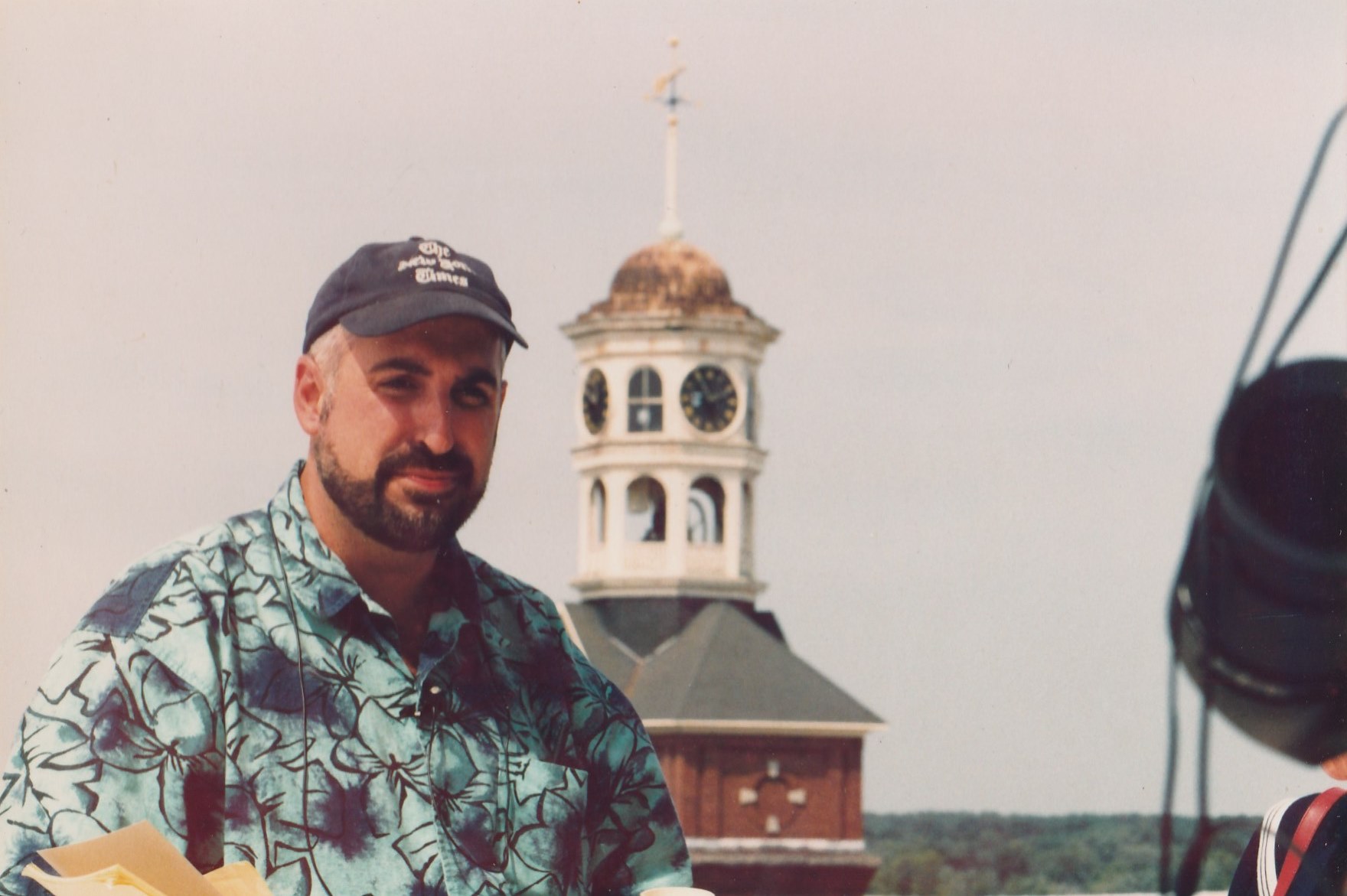
I made my triumphant return to Biddeford in the late 1990s. I had been working at a couple of different newspapers, but I couldn’t help myself when a saw a help-wanted ad for a reporter position in Biddeford.
So many years after my student internship at the Journal Tribune — where I served as a timid 16-year-old clerk, answering phones and banging out obits on an IBM Selectric II typewriter — I found myself gloriously back in Biddeford with some actual journalism experience already under my cap.
l had found my journalistic redemption. It was time for my comeback. Fuck, Bob Melville.
The weekly Biddeford-Saco-OOB Courier hired me, gave me a couple of reporters’ notebooks and set me loose on my former hometown.
I was off to the races. I had no other life. I went full throttle and regularly roamed the tired, wooden hallways of Biddeford City Hall, always ready for the next “scoop.,” and building an impressive list of confidential sources.
. . .
THE SECRET OF MY SUCCESS

. . .
Being a news reporter was a perfect fit for my bipolar diagnosis. I was manic for seven-years straight, chain-smoking Camel non-filters with City Manager Bruce Benway, and other city department heads like Bob Dodge and Guy Casavant in the secretive confines of ‘Ward Eight,” which was located on the third floor at City Hall.
The reporters from the Journal Tribune and Portland Press Herald didn’t smoke — Losers.
That’s how I scooped all the other guys. I got the inside track on all the secret stuff happening in Biddeford. What’s said in Ward Eight is never repeated, at least not on the record. I was slowly ruining my gums and working toward cancer or a heart attack, but I got the stories first and pissed off my colleagues at the Journal and Press Herald on a weekly basis.
A short while later, Biddeford hired Edward Clifford to take over as city manager. On almost his first day on the job, Clifford put an end to smoking anywhere in City Hall, including Ward 8.
Coincidentally, after leaving his gig in Biddeford, Clifford became a priest. Suddenly he was more forgiving, but I sometimes wonder if a girl like Renee (see above) could have gotten between him and his Holy Orders.
. . .
BUILDING AN IDENTITY
. . .
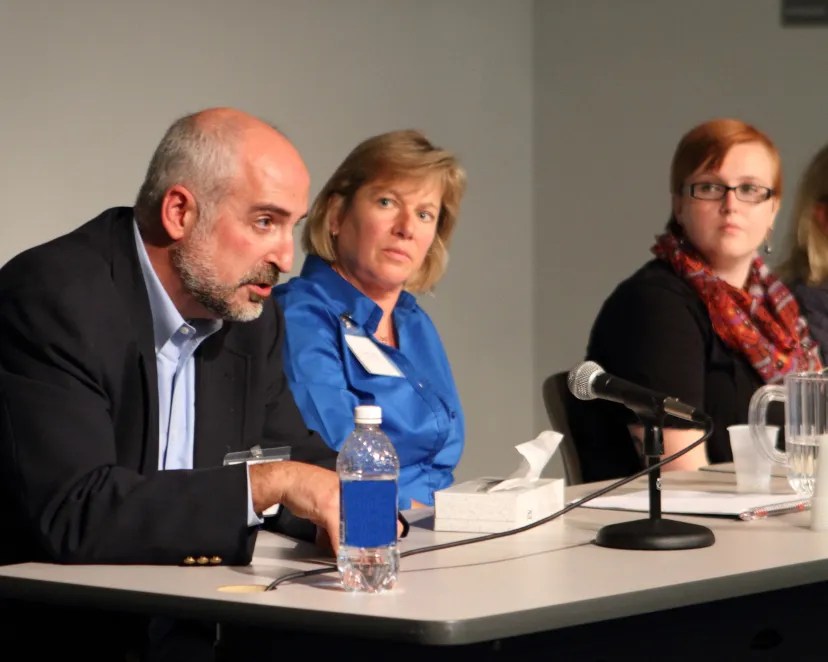
I never regretted giving up covering the dynamic towns of Windham and Standish at the American Journal to instead wage weekly battles with people like former Biddeford Mayor James Grattelo in the gritty and often dysfunctional city of Biddeford.
The late 1990s and early 200s was a glorious time to be a reporter in Biddeford, but the city was facing lots of challenges. Pessimism abounded. The once mighty downtown textile mills were winding down. People were scared. They had lost hope.
At that time, the city was literally burning its trash — and garbage from more than 20 other communities — right in the center of downtown.
Where there is today a luxury hotel with a rooftop swimming pool was then a decrepit, neglected building. We were all — as Bruce Springsteen sang, “sweating it out on the streets of a runaway American dream.”
. . .
A LONG, STRANGE TRIP
. . .
Flash forward 30 years and I am today happily married and having more fun than any man my age should have.
More about meeting your grandmother and raising your father in another post.
In addition to running the Biddeford Gazette, I also run a boutique strategic communications consulting firm, focused mostly on local and statewide political campaigns.
I took an eight-year break from journalism to work on some of the most dynamic and complex public policy issues you could imagine, right here in the state of Maine. I have successfully served as a campaign manager (81.5%-win record), as a communications director and as a field organizer on a wide variety of statewide ballot initiatives.
As a consumer of mental health treatment, I also regularly blog about mental health issues and the public stigma that is so often associated with treatment options.
I have lots more to share with you, but here are some related links that might give you some more insight, including my ongoing battle with a bipolar disorder.
A day that never ends | An ongoing journey toward recovery
Stop making sense | The birth & resurrection of a Biddeford monster


