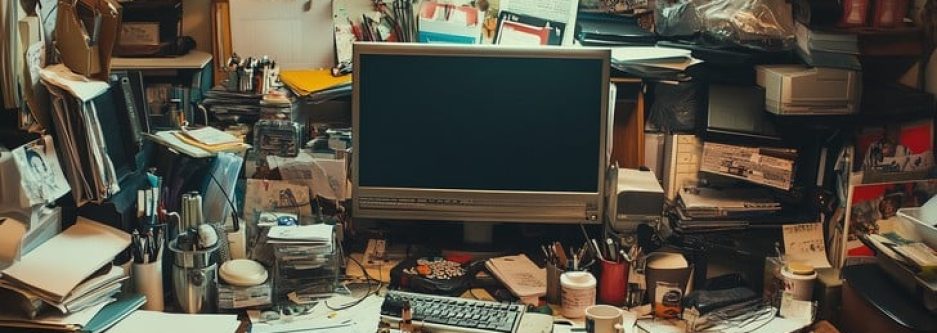
I am a journalist, and I love making lists.
So, it should come as no surprise that I woke up at 3:30 a.m. yesterday with the idea that I should make a Top 12 list of my favorite journalists – people who have inspired me, people I have worked with and even people I have worked for.
It was originally going to be a Top 10 list, but I could think of no-one on this list who should be eliminated as a finalist.
______________________
12.) Marian McCue, The Forecaster
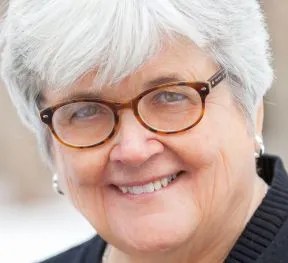
Marian McCue was inducted into the Maine Press Association (MPA) Hall of Fame in 2019
According to a story published in the Portland Press Herald, McCue purchased the former Falmouth Forecaster in 1990 at a time when it was published every two weeks and mailed to residents.
The MPA reportedly described McCue’s tenacious commitment to journalism as “great foresight and a singular journalistic duty, into what would become arguably ‘the’ community newspaper of record for the greater Portland area.”
I have long admired Marian’s work ethic and her commitment to the very best principles of true community journalism.
____________________
11.) Liz Gotthelf, Saco Bay News
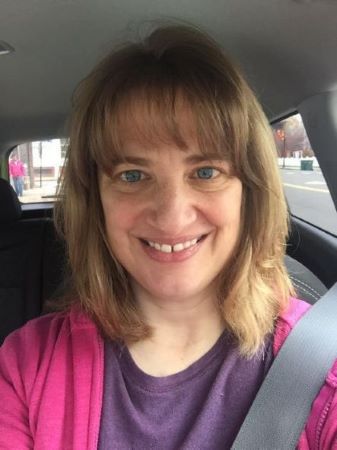
When it comes to community journalism, few do it better than my friend Liz Gotthelf, who launched Saco Bay News – a digital media outlet – in 2020, shortly after the daily Journal Tribune forever closed its doors.
A former Tribune reporter, Liz is dedicated to the community where she lives and works. She built Saco Bay News on nothing more than an idea and a desire to keep covering the communities of Biddeford, Saco and Old Orchard Beach.
Liz is a scrappy journalist with a HUGE heart. Her care and commitment to journalism shines through in everything she writes. Liz was knocked to the ground in August 2024 when her husband died suddenly and unexpectedly. She took just a few days off, and then – despite near overwhelming grief – jumped back in the saddle, covering community news and events. How do you spell integrity?
I am lucky to call Liz a friend, and I was proud to work with her for a little more than two years as one of her contributing writers.
___________________
10.) Chris Busby, The Bollard
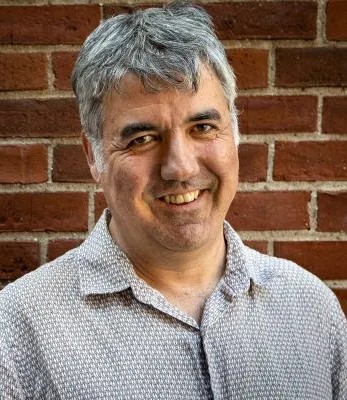
The Portland-based weekly The Bollard is one of my favorite newspapers. Busby is one of those people who has likely forgotten more about journalism than I will ever learn.
More than 20 years ago, Busby began building the Bollard with his own blood, sweat and tears. The paper reeks with journalistic integrity and offers a no-holds-barred approach to covering local and state government. The Bollard is also where I get my regular fix of Al Diamon’s Politics and Other Mistakes column and Liz Peavey’s weekly column.
The really good news? The Bollard is available online and its print version is available for free throughout southern Maine. I pickup the Bollard at the Hannaford grocery store in Biddeford.
______________________
9.) Barbara Walters, ABC News
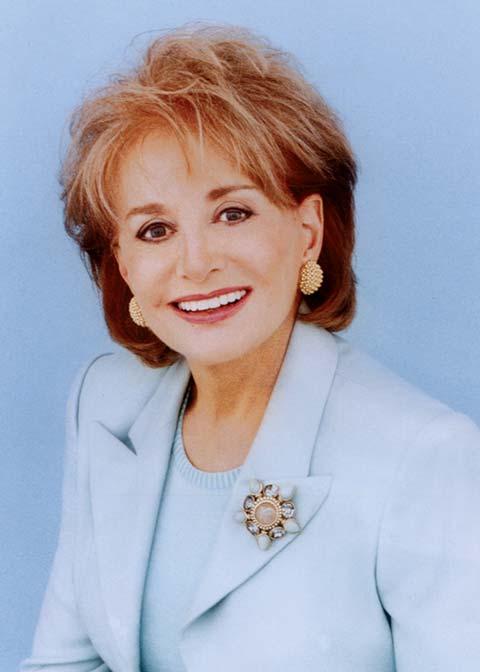
Barbara was a true journalism pioneer. She broke the proverbial glass ceiling that held back so many women in the news business, especially in the realm of televised newscasts.
Her legendary career, which started in 1951 at an NBC affiliate station in New York, earned her numerous accolades and awards, often described as one of the most trusted, and dogged reporters of the 20th Century.
Of course, Walters is best known today for her time as a producer and reporter of NBC’s Today Show and then later becoming the first female co-anchor of a network evening news show with Harry Reasoner on the ABC Evening News.
______________________
8.) David Flood, Mainely Newspapers
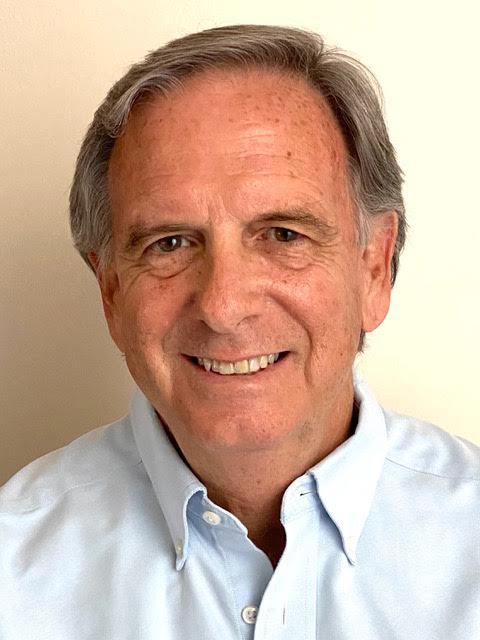
David and Carolyn Flood launched the weekly Biddeford-Saco-OOB Courier in 1989. They immersed themselves in the community and quickly became a fierce and reputable source of competition to their much larger, daily counterparts, the Journal Tribune and the Portland Press Herald.
Their hard work and commitment to community news paid off. The company expanded into a group of weekly newspapers that included the Scarborough Leader, South Portland Sentry and the Kennebunk Post among others.
David’s business model of not charging for subscriptions proved effective. But David cared more about Biddeford than just becoming the paper of record. He was the principal founder of the Heart of Biddeford.
He was always bullish about the city, especially its downtown area. After selling his publications, he was elected to the Biddeford City Council. Two years ago, he was inducted in the Biddeford Cultural and Heritage Center’s Hall of Fame. He also served briefly as president of the Biddeford-Saco Chamber of Commerce.
David hired me as a reporter in 1998. He then later promoted me to become the Courier’s editor and then later I became managing editor of all his publications.
I drove David nuts. I gave him plenty of reasons to fire me, but he didn’t. In fact, he gave me a rather long leash, and I think he valued my intense work ethic and my fierce sense of newspaper competition.
I often joke that the Biddeford Gazette is my baby. If that’s true then David and Carolyn Flood are the Gazette’s grandparents.
__________________
7. Jeff Jacoby, Boston Globe

I don’t know a lot about Jeff or his background, but I do love his weekly column, Arguable
It is well-written, often long-winded (a man after my own heart) but always informative, balanced and not afraid of controversy. As an opinion columnist, Jacoby admittedly leans a bit to the political right, which must make him wildly popular with the men and women who work in the Globe’s newsroom.
Don’t get me wrong. Jacoby may lean just a bit to the right, but his analysis is often scorching and always thought-provoking, but always fair and balanced.
I love Jacoby’s column, and that’s reason enough for him to be on this list.
___________________
6.) Jack Beaudoin, Journal Tribune
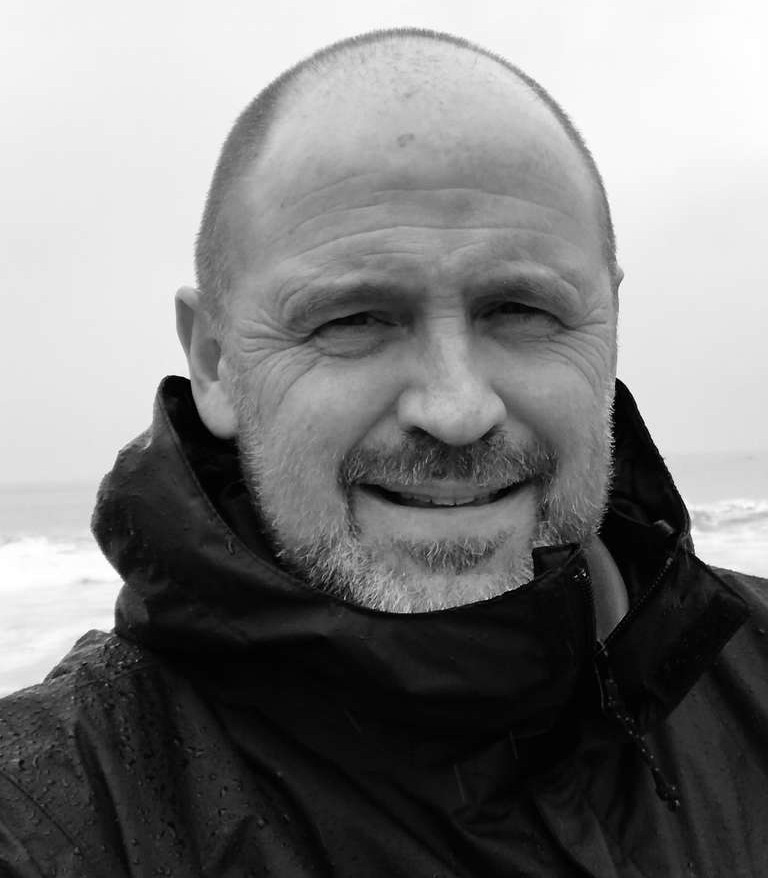
If you ask people who have lived in Biddeford a long time about who they think was the city’s best reporter, Beaudoin’s name invariably rises to the top.
Jack, a Biddeford native, earned his reputation as an outstanding reporter. He was usually the smartest guy in the room but never acted like it. In fact, he is one of the most self-effacing people I have ever met.
Jack is also the former publisher of the Maine Center for Public Interest Reporting. Today, he lives in Stonington and describes himself as an “ink-stained wretch.”
You can find his work today at jackbeaudoin.com
_____________________
5.) Kelley Bouchard, Portland Press Herald
I think it was 2001 when Kelley and I first met. She had been assigned to cover Biddeford back when the Press Herald had a bureau office on Main Street in Biddeford.
I am lucky to know Kelley as a friend, despite the fact that we were fierce competitors back in the day, when MERC was still burning garbage downtown and dinosaurs could be seen stumbling down Lincoln Street.
Kelley was tough as nails. She never accepted the proverbial talking point memos. She asked hard questions, but she was fair and thorough. Today, she still holds my feet to the fire, often questioning the motives of some of my political posts on social media. I really miss working alongside Kelley. Those days are some of my favorite memories.
______________________
4.) Harry Foote, American Journal
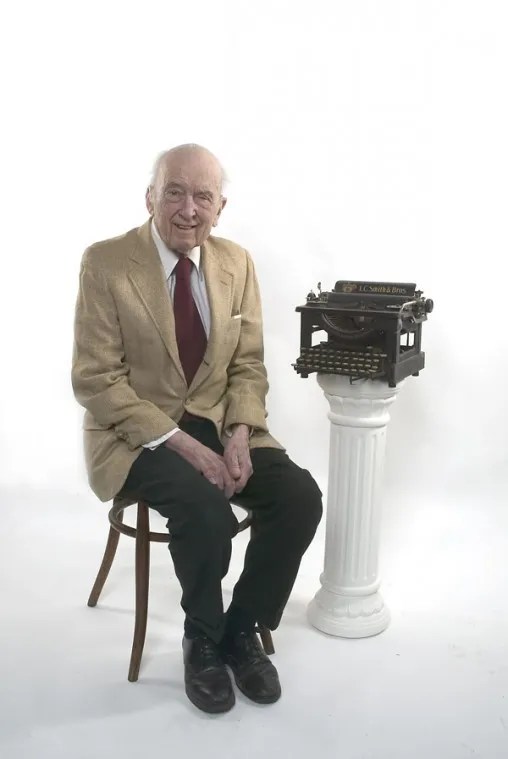
If you’re a journalist over the age of 40 in Maine, it is more than likely that you once worked for Harry Foote, the late founder and publisher of the weekly American Journal, then based in Westbrook.
Harry — always grinning but unrelenting in his push for perfection and “real news,” — probably taught more journalists than the Columbia School of Journalism.
I learned so much from Harry. He was a legend and a force to be reckoned with, just ask former mayors and city councilors from Westbrook.
Harry died in 2012 at the age of 96. In 1990, he received the Maine Press Association’s Journalist of the Year award. In 1999, he was inducted into the Maine Press Association’s Hall of Fame.
I really miss Harry, the chaos of his newsroom, his collection of pencils and the apron he would wear around his waist. I’m one of the lucky ones. I got to work for Harry Foote.
____________________
3.) Mike Wallace, CBS News/ 60 Minutes
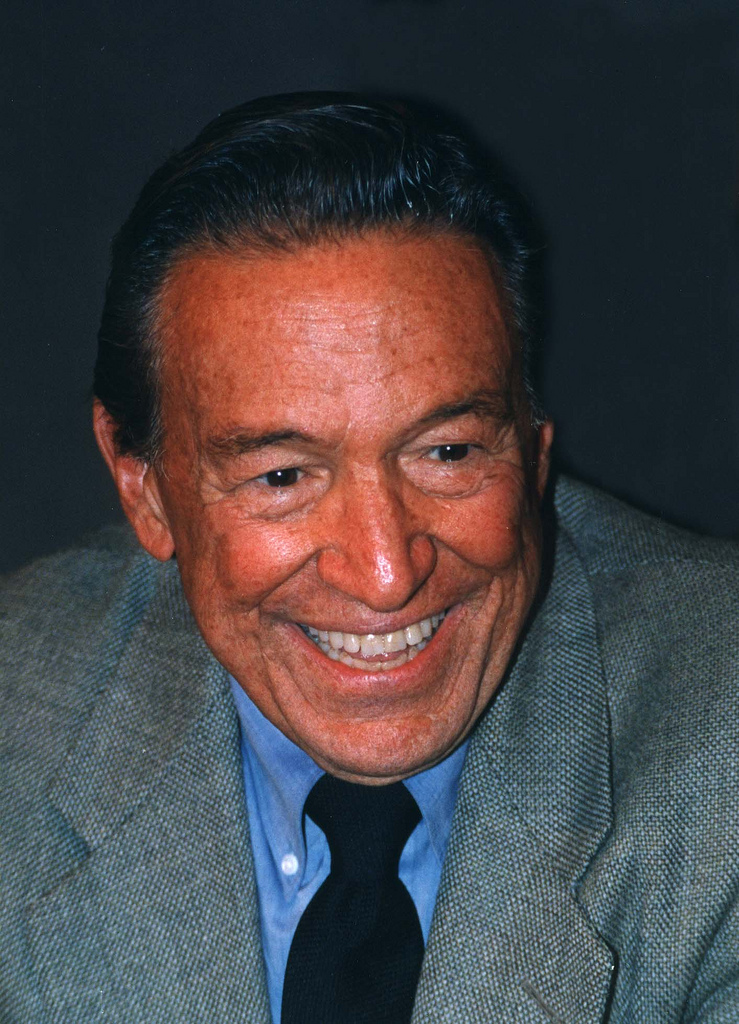
It is a well-known fact that journalists in the United States are required by law to pay silent homage and tribute to Mike Wallace before writing or producing every news story.
Wallace is considered a deity by so many of his peers in the world of journalism. He was one of the original four members of the magazine-style television news program, 60 Minutes. He was the definition of investigative journalism. He was loathed by President Richard Nixon.
Why is he on this list? Because he is Mike Wallace, and I am legally required to describe him as one of the greatest journalists of all time.
_____________________
2.) Carl Bernstein, Washington Post
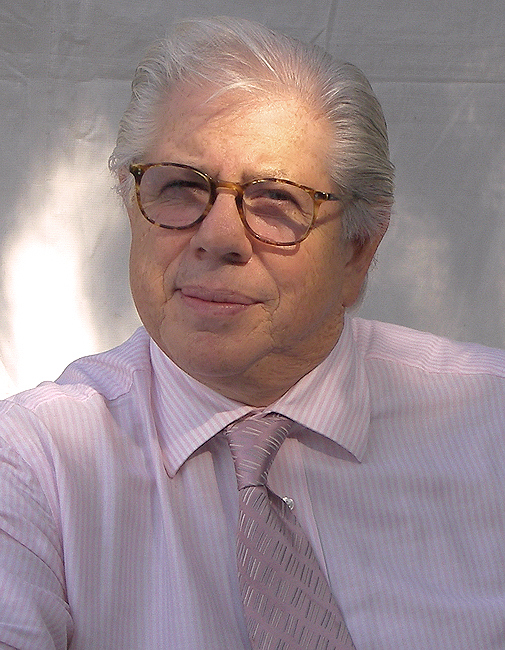
Although never as well-known or revered as his Watergate counterpart — Bob Woodward – Carl is a man after my own heart.
He never graduated from college, but he was a brilliant and remarkable reporter. It is rumored that he lied in order to get hired by the Washington Post when he was still in high school. His peers often described him as a manic and tenacious workaholic.
Many people believe that without Bernstein’s rabid and aggressive style of reporting, the Watergate scandal may have never been brought to light. I was 10 years old when Nixon became the first president to resign from office in August 1974. I was glued to the television coverage. It was then that I knew I wanted to be the next Bob Woodward or Carl Bernstein.
If you enjoy good books, check out Bernstein’s memoir, Chasing History: A Kid In The Newsroom.
Drum roll please . . .
And now —- my all-time favorite journalist:
Hunter S. Thompson, Rolling Stone
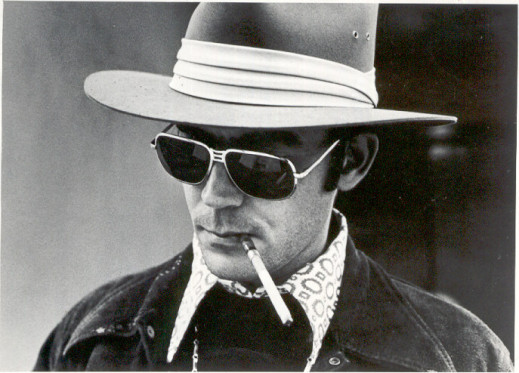
Quite simply, the late Hunter S. Thompson is my hero, my idol and all sorts of other things. He is the founder and creator of Gonzo-style journalism.
He broke all the rules of traditional journalism. A heavy drinker and smoker, he also experimented with drugs, including hallucinogens. He was a prominent leader of the counter-cultural movement that swept across America during the late 1960s and the early 1970s.
His landmark book — Fear and Loathing in Las Vegas — was well received and required reading for rebellious teenagers who wanted nothing more than to piss off their parents.
Hunter’s career started back in the days when people like Jack Kerouac and Alan Ginsberg were gaining traction in literary circles, creating what became the Beat Generation and a legion of self-described “beatniks” who desperately wanted to follow in their footsteps.
Thompson was simultaneously brilliant and self-destructive. He didn’t take criticism well, unless it was from someone he respected and also loathed like Truman Capote.
I really believe that I was born 30 years too late, I like to think that maybe Hunter and I would be friends. We both served in the U.S. Air Force.
Perhaps no writer influenced me more than Thompson. I tried to use a Gonzo-style approach when writing my weekly All Along the Watchtower column for the Courier.
If you want another great book recommendation, check out Outlaw Journalist: The Life and Times of Hunter S. Thompson by William McKeen.
And that’s a wrap.
_________________________
My sincere apologies to all my friends who I could not fit on this list. I really do respect your work, and I do – unlike Chris Busby – care about how other journalists perceive my work.
I had a lot of fun writing this. I hope you enjoyed reading it.
___________________________

Randy Seaver is a hack journalist living in Biddeford. He is the editor and founder of the Biddeford Gazette, a non-profit digital news publication that focuses on the city of Biddeford.
Randy has been annoying other journalists and editors since 1981 when he did a brief stint as an unpaid student intern at the former Journal Tribune, a daily newspaper based in Biddeford.
He regularly writes about politics, journalism and his own struggles with mental illness at Lessons in Mediocrity | Outlaw Journalist
© 2026 Randy Seaver | All Rights Reserved
Subscribe today and never miss an update! It’s free and worth it!

 LESSONS IN MEDIOCRITY | OUTLAW JOURNALIST