
You see it from time to time, spread all over social media with reckless abandon.
Defying history, logic and reasoning, there is a growing chorus of complaints about “kids today,” and/or about how “life was better in the 1950s, the 1960s, the 1970s” and even the 1980s.
Social media platforms such as Facebook are plastered by memes that suggest the world is going to hell in a handbasket. These memes and the people who share them point to a simpler time; a better time for children and all of us.
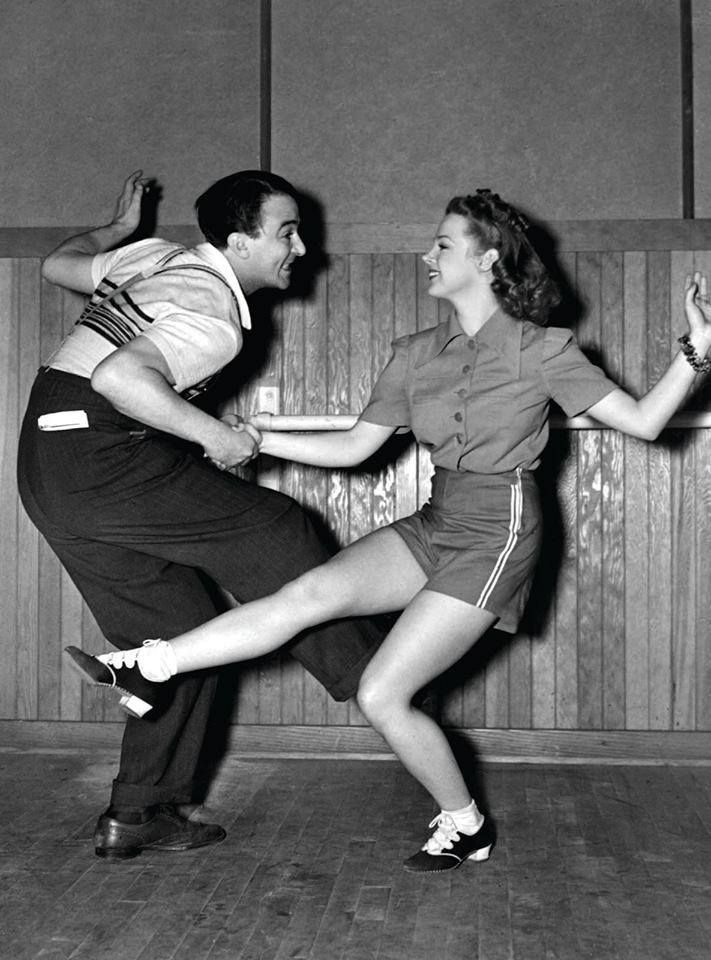
Is it accurate? Are kids today so much worse than the kids of the past? Was life really better in the 1960s?
To borrow from Billy Joel: The good ol’ days weren’t always so good, and tomorrow ain’t as bad as it seems.
Nostalgia is nice, but it often distorts reality.
Complaints about “kids today” are usually generated by people over 50 years of age. The misgivings about today’s youth are often used as weapons in the war of generations, where there is a growing divide between aging “baby Boomers” and the nearly insufferable Millennials.
Baby Boomers were born between 1946 and 1964, so-named because of the population explosion that took place in the United States following the end of WW II.
Boomers today range in age from 60 to 78. This group was preceded by the so-called “Silent Generation,” people born between 1928 and 1945. It is commonly thought that this moniker derives from the notion that children “were to be seen and not heard.” This group represents folks between the ages of 79 to 96.
And yet the so-called “Greatest Generation,” is almost completely gone. The Greatest Generation moniker was created by NBC News journalist Tom Brokaw and his best-selling 1998 book of the same name.
These were the people who came of age during the Great Depression and the 1940s, Brokaw said, and many of them fought in World War II.” In his book, Brokaw described them as “a generation of towering achievement and modest demeanor, a legacy of their formative years when they were participants in and witness to sacrifices of the highest order.…This is the greatest generation any society has produced.”
On the other end of the scale, we have “Generation Z,” kids born after 1997.
Admittedly, I am biased but it’s probably because I – like so many others – tend to dismiss today’s youth and instead rely on my knee-jerk reaction to “kids today.”
I often want to drive my head into a brick wall, when I read or hear members of Gen Z or their predecessors, Millennials, complain about their elders and about what a horrible world they have inherited.
They (Gen Z and Millennials) actually believe that they are so much more enlightened, tolerant and compassionate than previous generations of Americans who allegedly left behind a world of racism, gender conformity, homophobia and a ruined environment.
They tend to place a greater value on safety versus freedom. They have only known a world that is instantly connected by technology, and they tend to bristle at the word: sacrifice.
Sweet Child of Mine
Are these kids today right or wrong? Are the complaints about them, their music and their culture accurate? Or are these kids today not much different than the kids of the 1970s, the 1950s or even the 1920s?
In the 1950s, many parents were worried about boys in leather jackets with grease in their hair. There was a radical new genre of music exploding on radios. Rock ‘n’ Roll, which was generated by Black musicians, took rhythm and blues to an entirely new level.
Artists such as Chuck Berry, Fats Domino, Billie Holiday and Ray Charles ignited the flames of rock music, inspiring so many others, from Elvis Presley to the Rolling Stones. On the Ed Sullivan show, Elvis Presley was shown only from the waist up while performing because his swinging hips were considered “too suggestive.”
But even before then, parents were worried about “lazy, insolent” children who were listening to the “devil’s music,” from artist such as Glenn Miller, Artie Shaw, Tommy Dorsey and Benny Goodman in the 1930s and ‘40s.
Swing music, the adults said, was encouraging sexual promiscuity as boys and girls danced suggestively and “Jitterbug” dancing reigned supreme.
In the 1960s, kids started growing their hair long; many became “anti-society” hippies and embraced a culture of “free love” and increased experimentation with illicit drugs. Today, those kids are getting ready to collect Social Security and buying time-shares in Boca Raton.
You get my point. There is one universal truth about children and their development: they absolutely love to piss-off their parents, crave attention and righteously believe that their generation is the “best.”
It is normal (and actually necessary) for kids to reject traditions; to protest and become aware of the world around them.
A simpler time?
Before you begin to wax nostalgic about how much better life was in the 1950s, the 1960s or the 1970s, consider this:
In the 1950s and 1960s, Black students couldn’t attend the same schools, colleges and universities as white kids. In the 1950s, kids were taught to hide under their desks as fears increased about a possible nuclear attack.
In the 1950s and 1960s, gay people were not allowed to be married or serve in the military. In the 1950s and 1960s, American kids were dying by the thousands in southeast Asia.
In the 1950s and 1960s, women generally earned much less than their male counterparts. When people proclaim that the ‘60s were a “more peaceful” time, I teeter on the edge of having a stroke.
In the 1960s, President Kennedy was assassinated; Dr. Martin Luther King was assassinated; Black activist Malcom X was assassinated; Bobby Kennedy was assassinated and the ongoing war in Vietnam escalated.
In the 1950s, we freely dumped toxic waste into rivers and streams. There was no Department of Environmental Protection.
But when – exactly – – did kids become so lazy and misguided?
Well, history is a brutal teacher.
Complaints about “kids today” can be traced to the Fourth Century, BC when Aristotle wrote: “[Children] are high-minded because they have not yet been humbled by life, nor have they experienced the force of circumstances. They think they know everything and are quite sure about it.”
Or how about this, first published in 1904 in the Psychology of Adolescence:
“Never has youth been exposed to such dangers of both perversion and arrest as in our own land and day. Increasing urban life with its temptations, pre-maturities, sedentary occupations, and passive stimuli just when an active life is most needed, early emancipation and a lessening sense for both duty and discipline…”
Or this from the Portsmouth Evening News in 1936:
“Probably there is no period in history in which young people have given such emphatic utterance to a tendency to reject that which is old and to wish for that which is new.”
In 1938, Leeds Mercury published this excerpt:
“Parents themselves were often the cause of many difficulties. They frequently failed in their obvious duty to teach self-control and discipline to their own children.”
There are many, many more historical examples of complaints regarding today’s young people from every generation since . . . well basically, forever.
In 1858, editors at the New York Times expressed concern about the invention of the telegraph.
“Superficial, sudden, un-sifted, too fast for the truth, must be all telegraphic intelligence. Does it not render the popular mind too fast for the truth? Ten days bring us the mails from Europe. What need is there for the scraps of news in ten minutes? How trivial and paltry is the telegraphic column?”
What would those guys have thought about the internet, Facebook or Tik-Tok?
Damn kids today. Technology is ruining everything!

 LESSONS IN MEDIOCRITY | OUTLAW JOURNALIST