
A friend of mine recently brought to my attention something about me that was posted on Facebook.
Apparently, a man I barely know questioned how I — an out-of-the-closet consumer of mental health care — could be trusted to provide professional advice. In fact, this person described me as “mentally unstable.”
I thought about this for a while because I frequently write about the subject of mental illness and stigma on this blog, and I was a bit disheartened that being “mentally unstable” and having a diagnosed mental illness are still too often linked into one convenient package.
Consider this: One in five Americans experienced some sort of mental illness in 2010, according to a report from the Substance Abuse and Mental Health Services Administration.
Are those people all mentally unstable? Hardly.
The vast and overwhelming majority of people with a diagnosed mental illness are very stable and lead productive, normal lives.
They can do this because they seek treatment for their illness. They take medications, participate in therapy and take other measures to ensure that their illness is well-managed. They are no different from people with diabetes, epilepsy or cancer. They did not ask for the disease, they don’t use it as an excuse and they are vigilant in taking care of themselves.
Meanwhile, mentally unstable people do not take appropriate steps to manage their illness. Sometimes, it is because of a lack of mental health services, but more often than not some individuals refuse to acknowledge or treat their illness.
Following the horrific massacre a couple of weeks ago in Charleston, South Carolina, Maine’s Congressional delegation was polled regarding their attitudes on limiting gun violence. While Congresswoman Chellie Pingree, Senator Angus King and Senator Susan Collins all said they would like to see expanded background checks for the purchase of firearms, Congressman Bruce Poliquin offered a different response.
Poliquin said he would like to see more funding for mental health.
I applaud Congressman Poliquin for his willingness to increase funding for community-based mental health services, but I have some bad news for him: Even with better funding and more services, it is more than likely that Dylann Roof would have still shot and killed nine innocent people. Roof may have a mental illness, but he certainly wasn’t taking care of it.
Last week, the defense attorneys for James Holmes, the young man who killed and shot 12 people in an Aurora, Colorado movie theater, opened their defense by saying their client was legally insane, and thus should not be held accountable for his crime.
Although Holmes did seek psychiatric treatment before his rampage, he stopped seeing his psychiatrist just a few weeks before he entered a crowded theater armed to the teeth.
Like very other type of illness, mental illness does not fit into one convenient package. There are different types and severity of illnesses, from depression and anxiety to bipolar disorders and schizophrenia. All of these illnesses can be managed with the right medication and therapy.
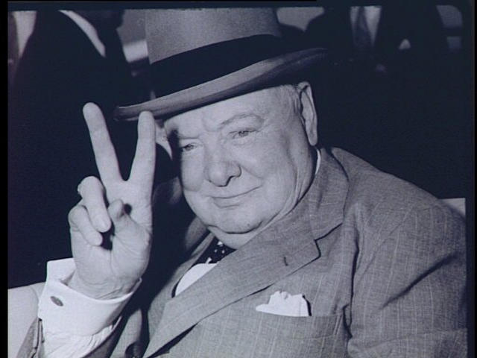
And you might be surprised to know how many famous people suffered from some type of mental illness, whether it’s NFL great Terry Bradshaw or Winston Churchill.
Would you describe them as mentally unstable?
According to the Centers for Disease Control, stigma regarding mental illness is getting better but still has a long way to go. Their own research shows:
- Most adults with mental health symptoms (78%) and without mental health symptoms (89%) agreed that treatment can help persons with mental illness lead normal lives.
- 57% of all adults believed that people are caring and sympathetic to persons with mental illness.
- Only 25% of adults with mental health symptoms believed that people are caring and sympathetic to persons with mental illness.
A couple of years ago, I was interviewed by Maine Public Radio about my mental illness. “No one would know I have a mental illness unless I chose to tell them,” I told the reporter. (Listen to the interview here)
The people who really know me would agree: having a mental illness is not synonymous with being unstable.
When U.S. Senator Thomas Eagleton was selected as George McGovern’s running mate for the 1972 presidential election, he kept his mental illness a secret. But once it was discovered that Eagleton had been treated for depression, McGovern dropped him from the ticket like a hot potato.
I’d like to believe that we have made some progress since then.
Maybe. Maybe not.

 LESSONS IN MEDIOCRITY | OUTLAW JOURNALIST
You are my most mentally unstable Friend!
LikeLike
You are my most mentally unstable friend !
LikeLiked by 1 person